Pipe boots and vents are where the roof deck is cut open on purpose. Each opening is sealed by a collar or flange that has to outlast years of sun, rain and hail, and when it fails, water runs straight down the pipe and into the attic. They are among the smallest jobs in roof repair, yet a failed boot is one of the most common causes of a stained ceiling.
Cracked pipe boot? Why Texas sun splits the rubber
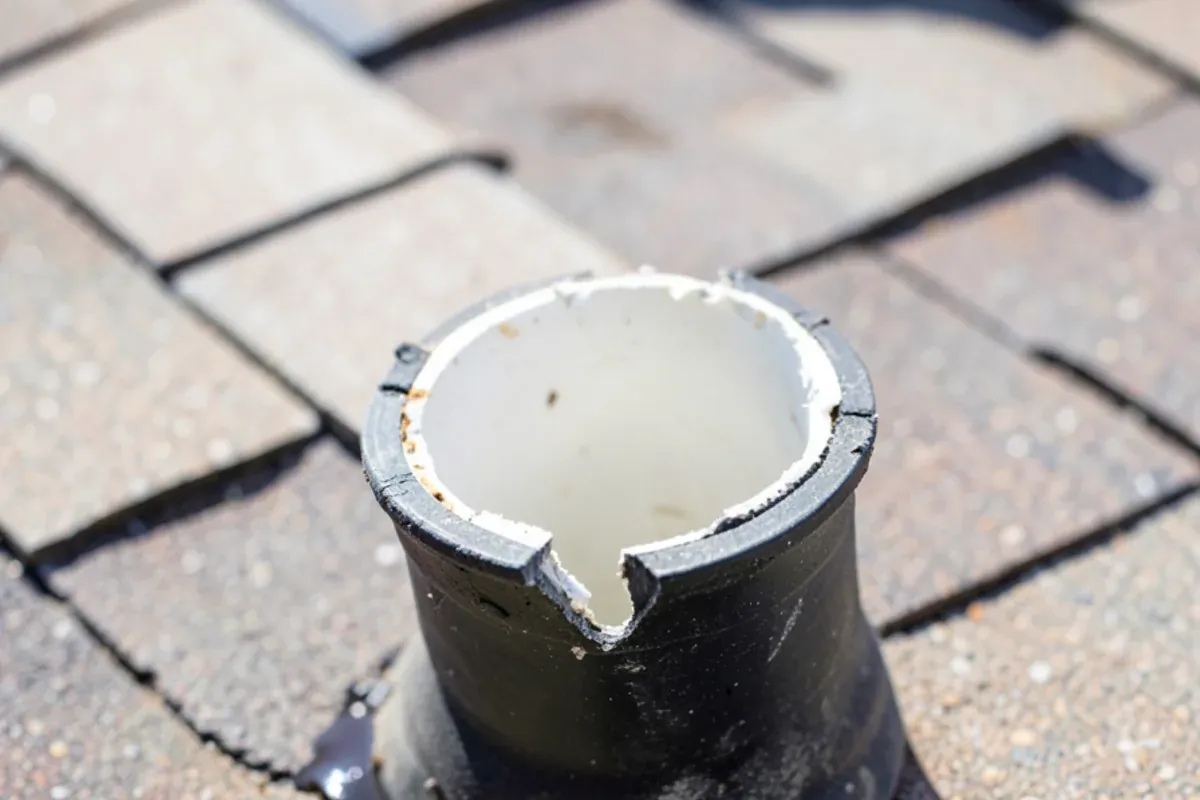
A standard pipe boot is a metal or plastic flange with a rubber collar that hugs the plumbing vent stack. The flange is protected by the shingles; the collar is not. It sits in direct sun on a roof that, on a July afternoon in Irving with highs around 95°F, gets much hotter than the air. Year after year, ultraviolet light and heat harden the rubber until it cracks and pulls away from the pipe.
The result is a small gap at the top of the collar that funnels water down the outside of the pipe. The leak often shows up as a stain around a bathroom ceiling or near an interior wall where the plumbing runs, and it tends to get worse slowly, which is why many owners live with it for months.
In the attic, the clues are wet or matted insulation around the pipe, darkened sheathing or rusty nail tips near the opening, and a dripping sound during heavy rain. Hail adds its own damage: dented lead jacks and bent vent flanges are common after North Texas storms, and boots often wear out years before the shingles around them.
Is it a plumbing vent leak or a roof vent leak?
They look similar from inside, but they fail differently:
- Plumbing vent leaks come from the boot around a PVC or cast-iron stack. The usual cause is a cracked collar, a flange that was never tucked under the shingles above, or a lead jack that squirrels have chewed.
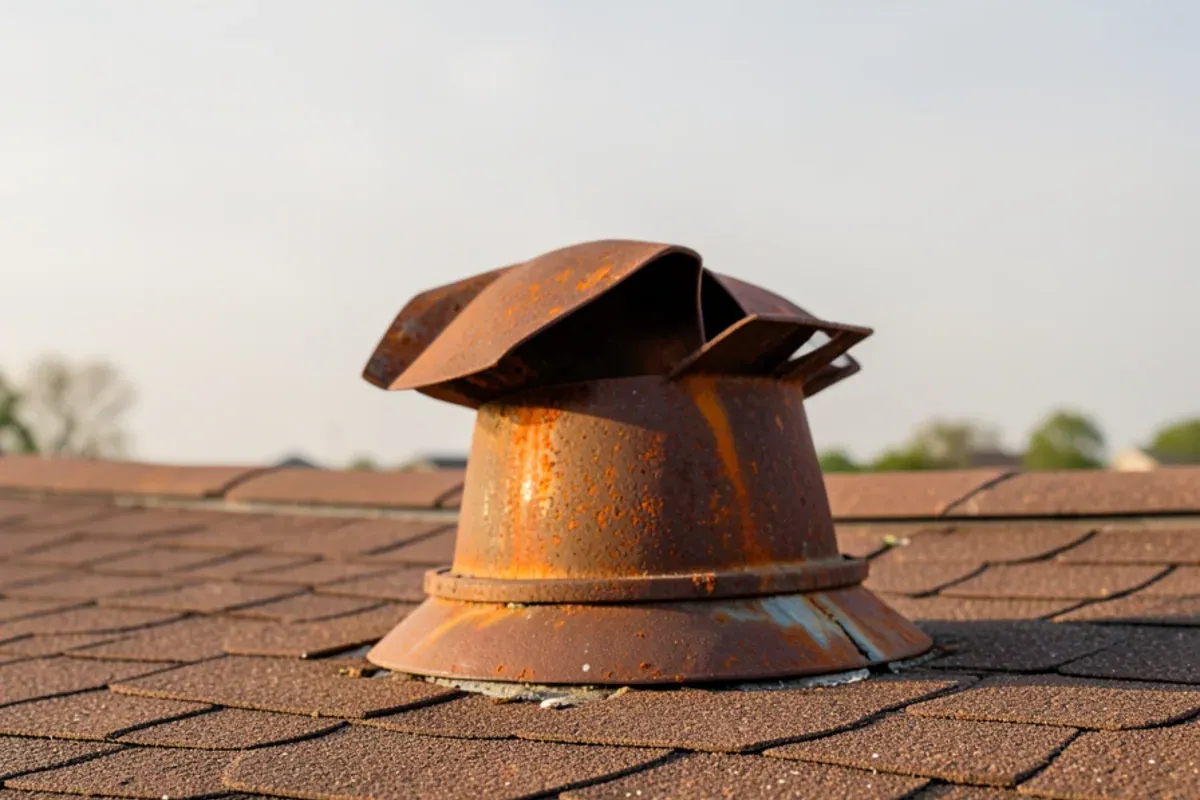
- Roof vent leaks come from attic ventilation: turbine vents, box vents, power fans and ridge vents. Here the cause is more often a rusted base, missing or backed-out fasteners, a bent flange after hail, or a turbine that stopped spinning and lets rain blow through.
Both are fixed from the roof, and both are worth checking before you assume the shingles are the problem.
Roof vent boot replacement, step by step
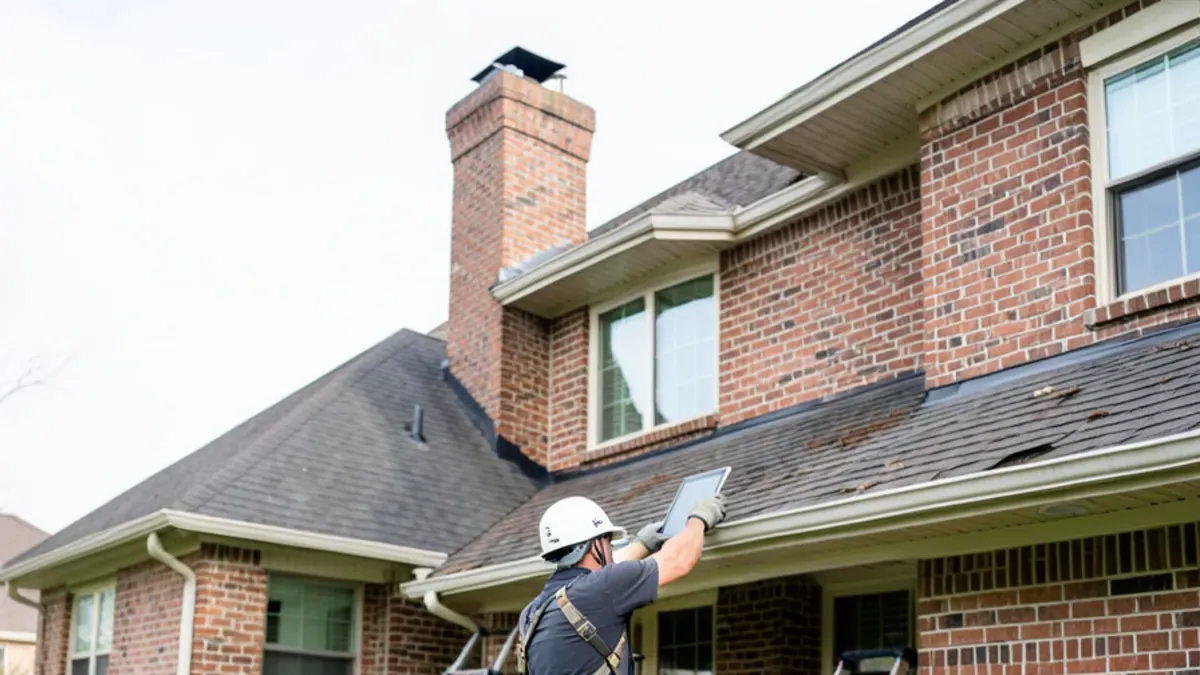
- Locate the source. We trace the stain to the pipe or vent above it, check the attic side where accessible, and photograph the failed part.
- Free estimate. You get a written scope that lists each boot, jack or vent to replace.
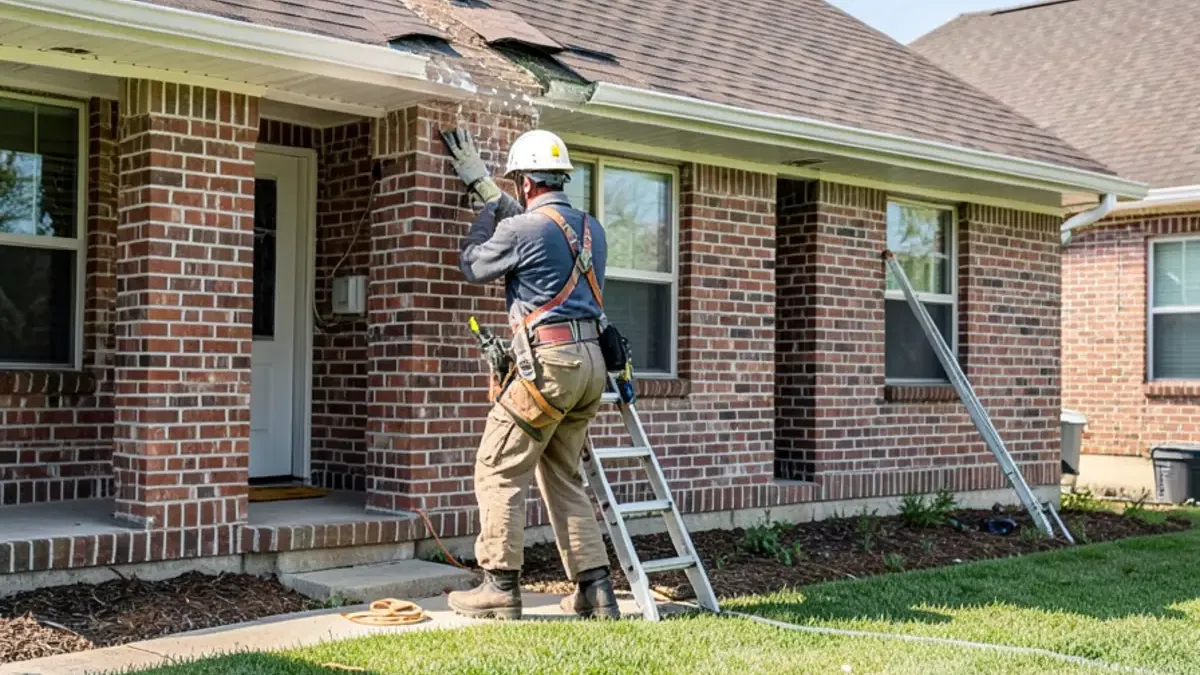
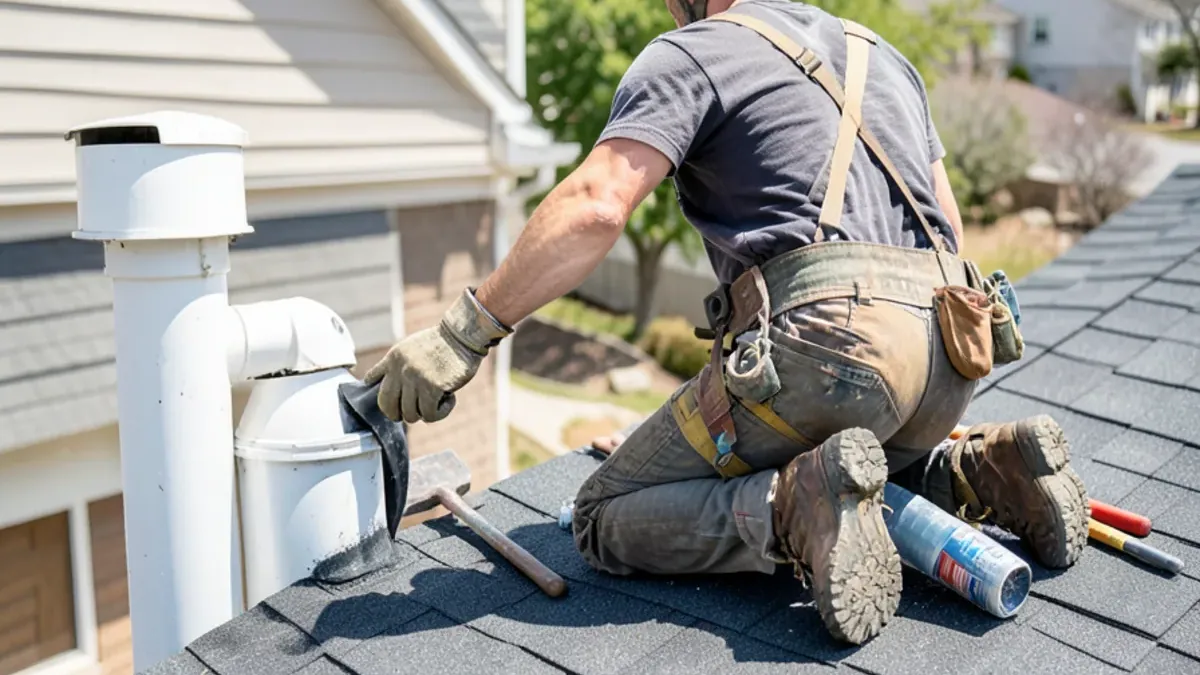
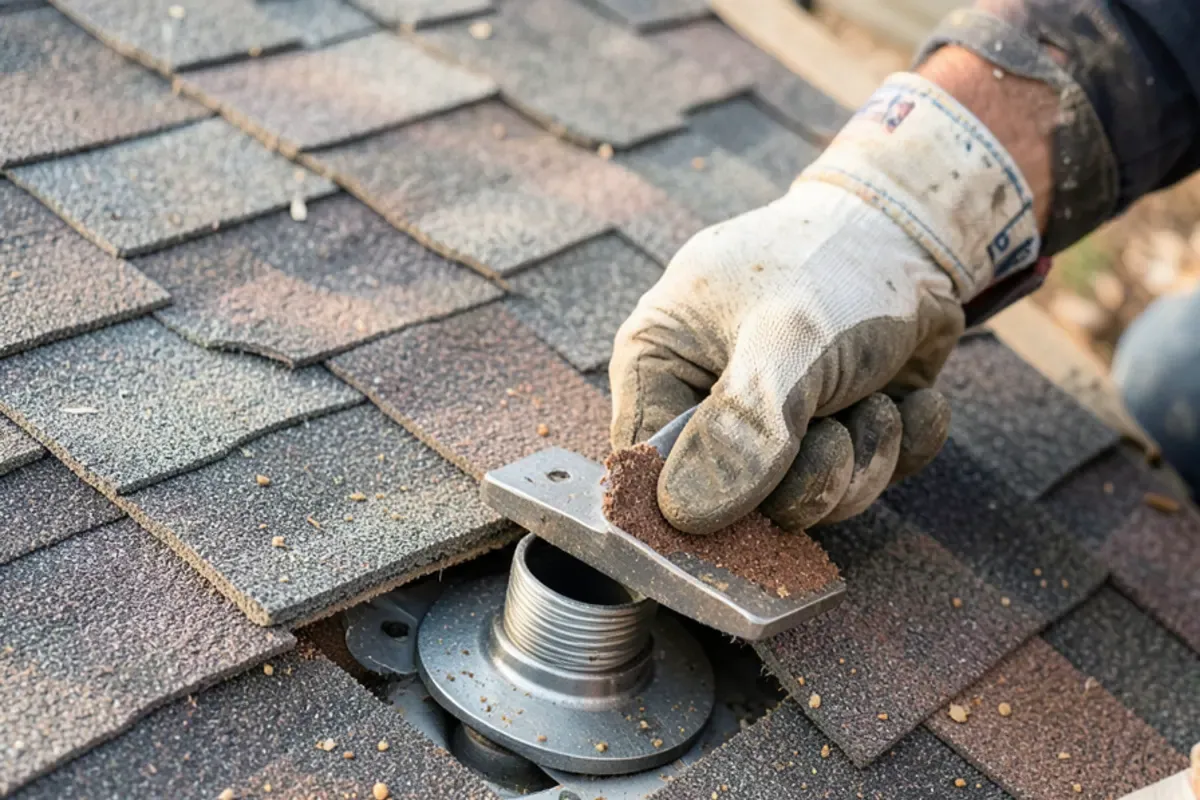
- Free the old part and check the deck. We gently pry loose the shingle courses covering the flange, remove the old boot or vent, and replace any soft or stained decking around the opening so the new part has something solid to fasten to.
- Install the new boot or vent. The flange goes under the upper courses and over the lower ones, fastened where the shingles will cover the nails.
- Reseal, then paint if you want it. We reseat and hand-seal the shingles around the flange; exposed pipes, jacks and fans can then be painted to blend with the roof.
- Photos and cleanup. You get before-and-after photos and a clean yard.
Questions about pipe boot & roof vent repair? Talk to us.
Call for a free inspection and a written estimate. Hablamos español.
- 5.0 on Google (33 reviews)
- Free inspections & estimates
- Se habla español
- Workmanship guaranteed in writing with every contract
Turbine vent replacement and the other parts we swap
A boot or vent repair looks small from the street, but the part has to fit the pipe exactly and the flange has to sit in the shingle courses the right way round, or the new piece leaks just like the old one. Before ordering, we measure each stack's diameter and note its material. What a vent and boot visit can cover:
- Rubber-collar pipe boots for PVC and cast-iron plumbing stacks, in the right size for each pipe
- Replacement of chewed or split lead jacks
- Turbine vent replacement when the bearing has seized, the vanes are rusted or the base is corroded
- Box vents and static vents with cracked housings or rusted flanges
- Roof jacks and caps for exhaust pipes, with new storm collars where needed
- Replacement of any shingles we damage or find broken around the openings
Two things fall outside the roofer's job. We do not cut, shorten or cap a plumbing vent stack, since that is plumbing work. And if squirrels or other animals got into the attic through a chewed jack, we replace the jack and recommend a wildlife professional for the animals themselves.
Painted roof vents and pipes that blend into the roof
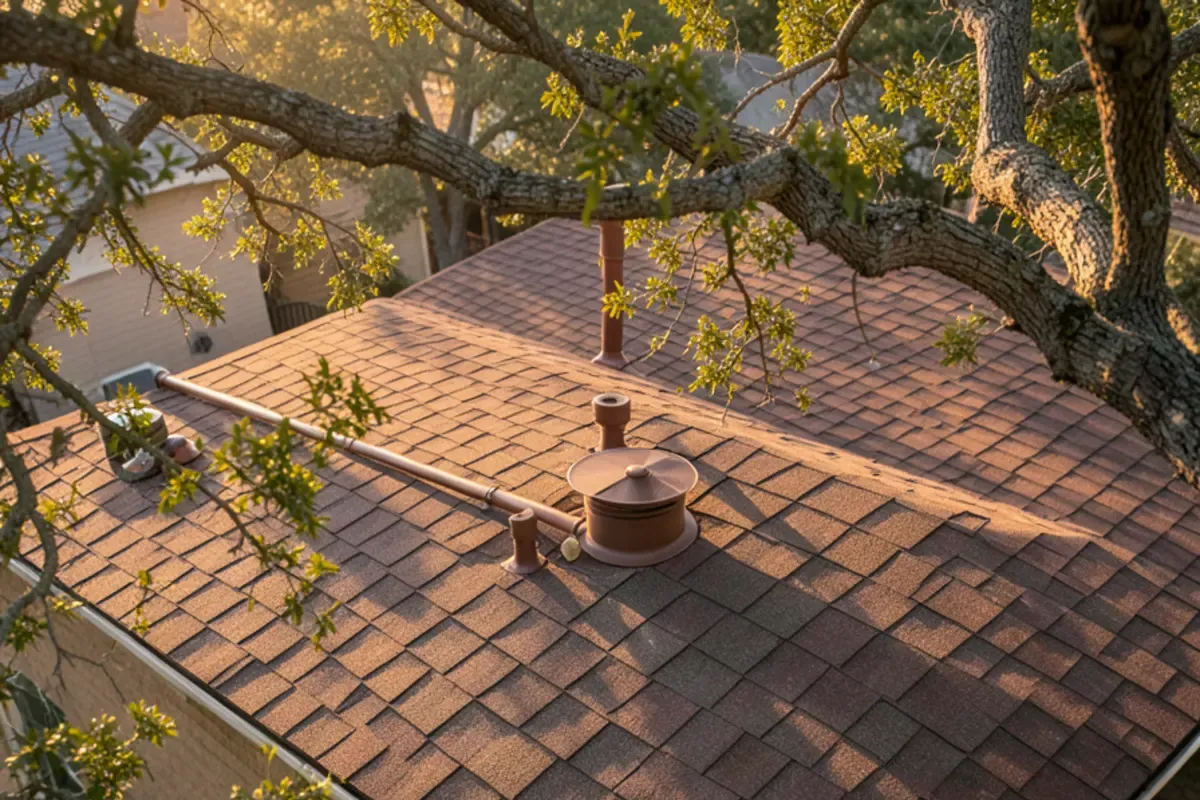
A bright white PVC stack or a silver turbine stands out against a brown or charcoal roof. Painting the exposed parts in a shingle-matched color makes the roofline look finished, and the paint adds a layer of protection to metal. We do it when you ask, after the new parts are installed, and we keep paint off the rubber collar. Customers have noticed the painted vents and pipes and mentioned them in their Google reviews.
How much does a pipe boot repair cost?
Less than most roof repairs, because the work is focused on one opening. What changes the price is the number of boots and vents, the type of part (a standard boot versus a turbine or power fan), roof pitch and height, whether the decking around the opening has rotted, and whether you want painting. A single boot repair is nowhere near the 100-square-foot threshold the City of Irving uses in its residential roof handout, so no permit applies. You receive the written estimate at no charge.
Combining parts usually saves money. Because ladders, safety setup and the trip are the same whether we replace one boot or four, it often makes sense to replace every boot of the same age while we are up there rather than wait for the next one to crack. Turbines and power fans cost more than boots, and a fan's electrical connection is an electrician's job, which adds a separate line if the fan is being replaced rather than removed.
Why RJ Premium Roofing for vent and boot repairs
- We trace the leak to the actual opening before replacing anything, with photos.
- Free inspection and free estimate; we fix the small leak without pushing a bigger job.
- Reviewers mention fair prices and cleanup afterward, as well as crews who painted fans and pipes to match.
- We hold a 5.0 rating on Google based on 33 reviews (November 2026).
- After hail, dented vent caps and torn boots are photographed for your insurer.
- Hablamos español: reparación de ventilas del techo explicada en su idioma.
Workmanship on boot and vent repairs is guaranteed under the written terms that come with your contract; the boots, vents and fans themselves are covered by their makers' warranties.
Service area and city rules
Based in Irving (local details sit on the roofing contractor in Irving, TX page), we replace boots and vents across the western half of the metroplex, including Arlington, Hurst and Grand Prairie. If water is reaching the attic where two slopes meet rather than at a pipe, read about roof valley repair; if you are not sure where it is coming from, start with a free roof inspection.
Permits, registration and trade lines for vent work
Texas leaves contractor oversight to cities: the state issues no roofing license, and roofers fall outside TDLR's licensing programs. Irving requires contractors to renew their city registration each year. Owners with questions about their property can reach Irving Inspections at (972) 721-2371. A boot or vent swap stays far below the city's 100-square-foot repair limit, so it needs no roofing permit, but a re-roof that replaces every boot does. Plumbing and electrical changes follow their own trade permits. Our written estimate says whether your job needs any permit and who applies for it, and on a storm claim the deductible remains yours to pay under Chapter 707 of the Texas Insurance Code.