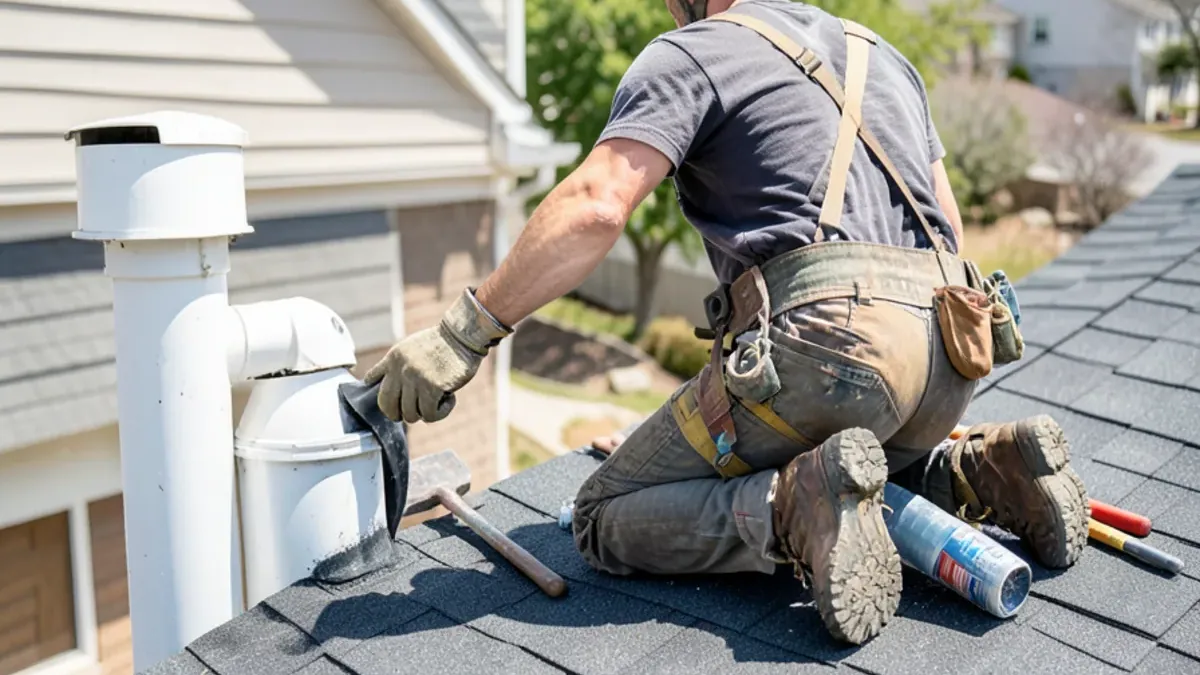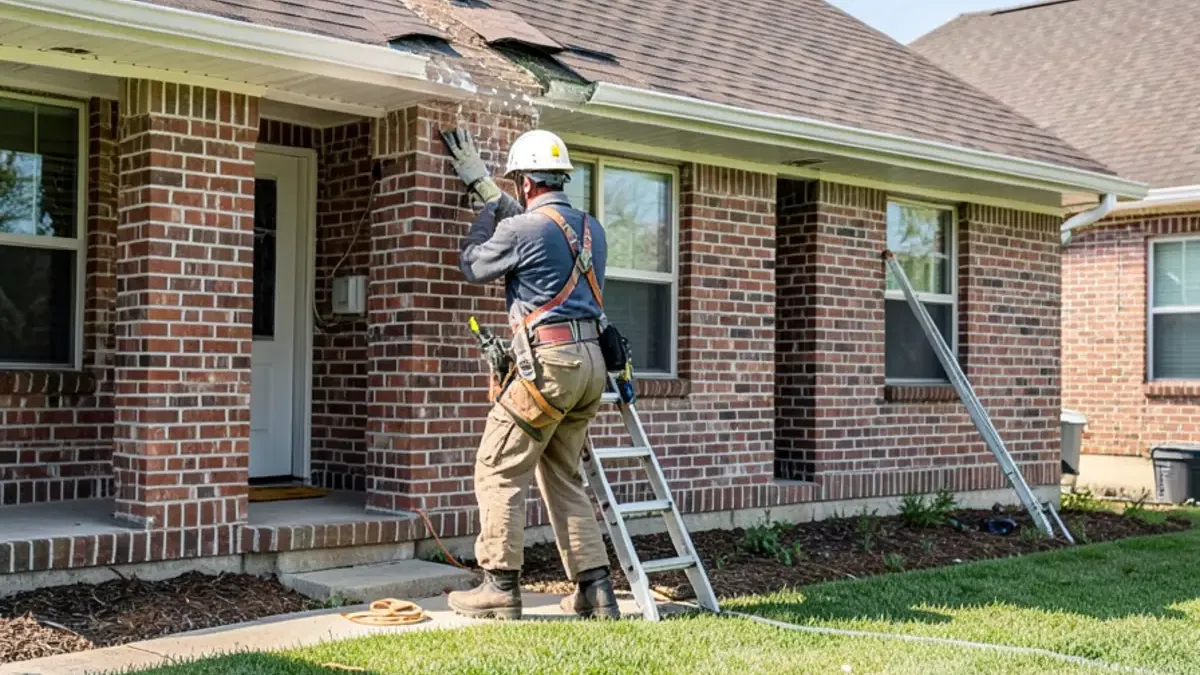
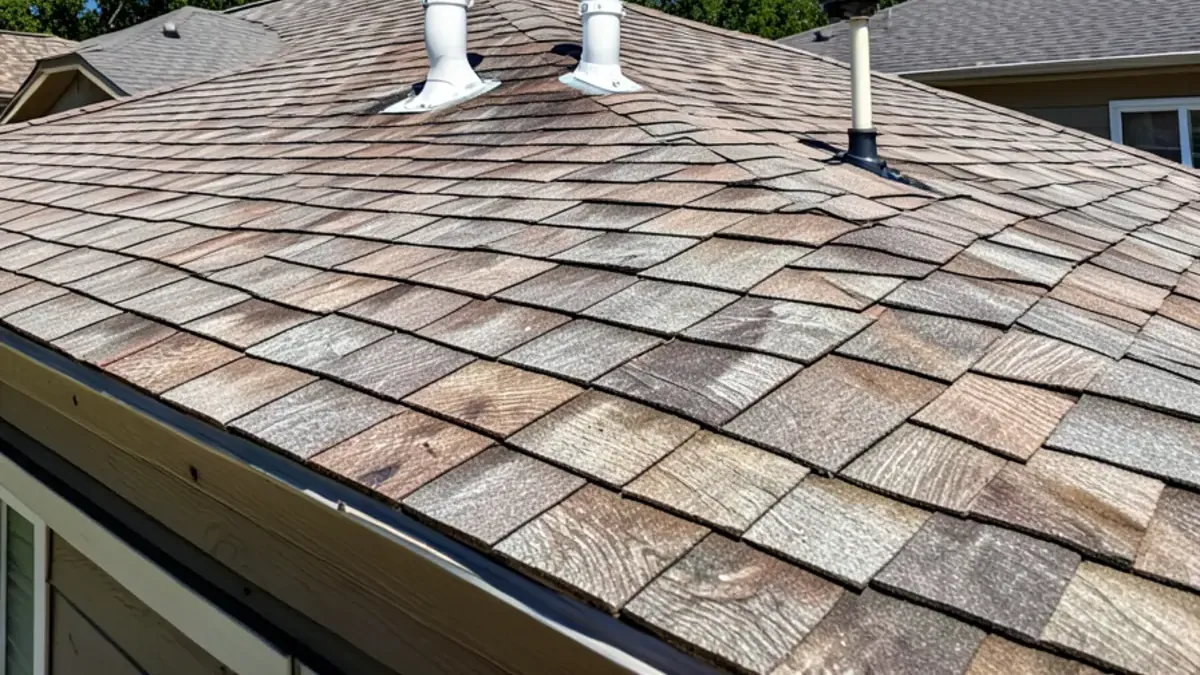
Pipe boot leak repair is one of the smallest roof jobs and one of the most common. The rubber collar sealing a plumbing vent pipe cracks under Texas sun, rain runs down the pipe into the attic, and a ceiling stain appears below. Replacing the boot, not caulking it, stops the leak and protects the decking.
Ask any roofer in North Texas what causes the most small leaks, and the pipe boot will be near the top of the list. It's an inexpensive part doing a hard job in the harshest spot on the house. Here's how it fails, how to tell, and how to fix it so it doesn't come back.
What a Pipe Boot Does and Why It Fails
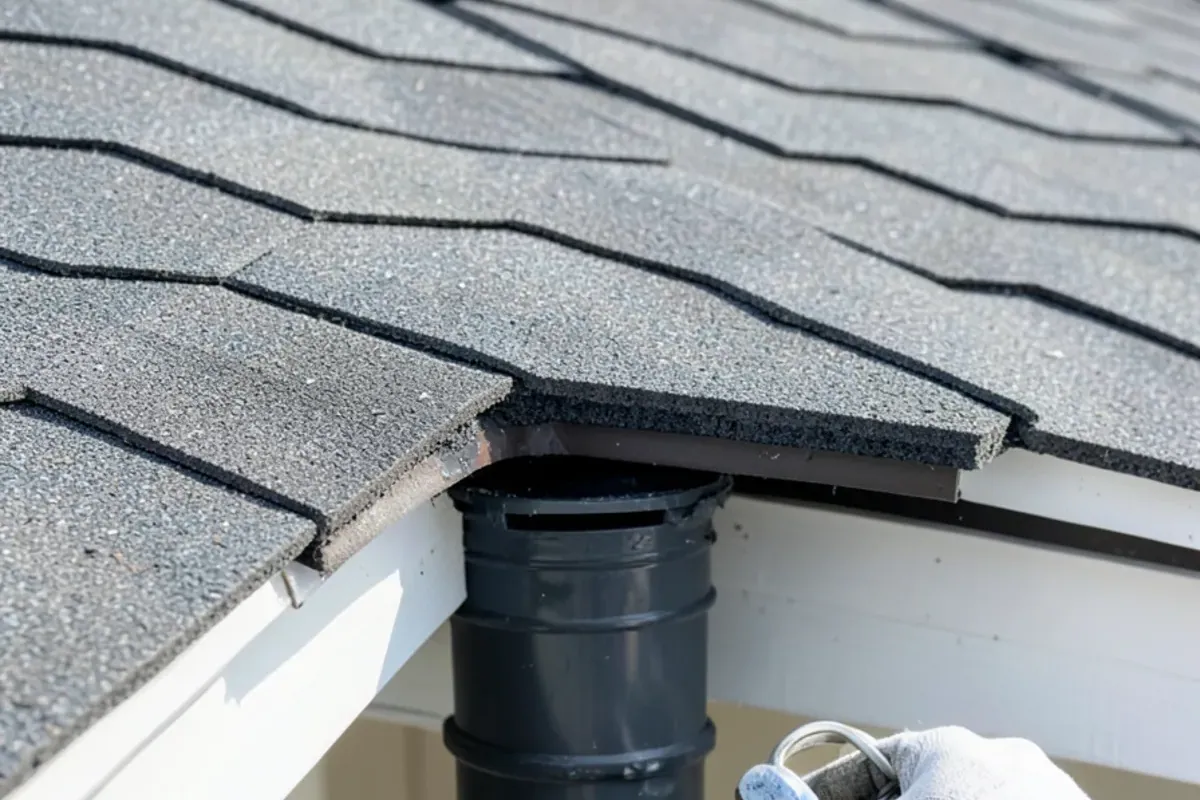
Every plumbing drain in your house connects to a vent pipe that runs up through the roof. Where that pipe passes through the shingles, a pipe boot seals the opening. Most boots are a flat metal or plastic flange that slides under the shingles above and over the shingles below, with a rubber or neoprene collar that grips the pipe.
The flange is rarely the problem. The collar is. Rubber exposed to direct sun all day hardens, shrinks and cracks. Summer air temperatures in Irving sit in the mid-90s through July, and a dark roof surface baking under that sun gets much hotter than the air. Over a few summers, the collar splits where it hugs the pipe, and every rain sends a little water down the outside of the pipe and into the attic.
Signs of a Plumbing Vent Boot Leak
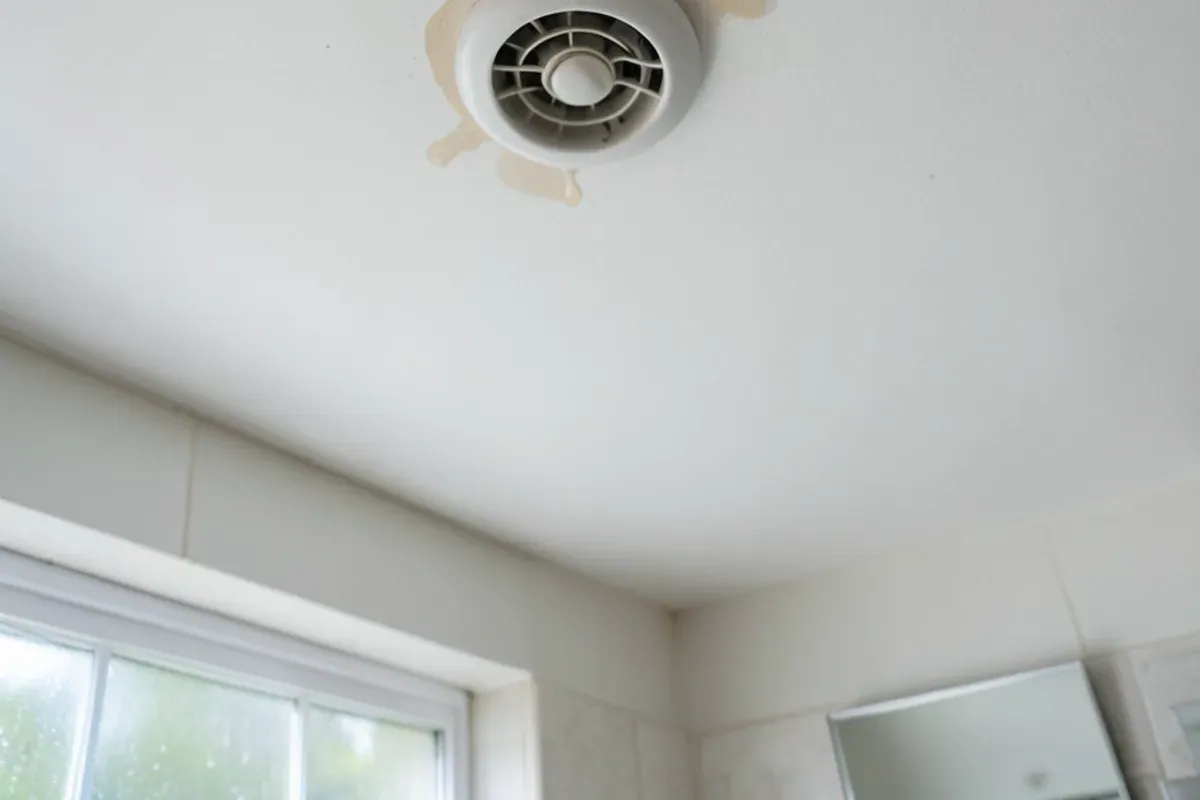
- A round stain on a bathroom, kitchen or laundry ceiling. Vent pipes sit above plumbing fixtures, so that's where the drip lands.
- A stain that grows slowly over months rather than appearing after one storm.
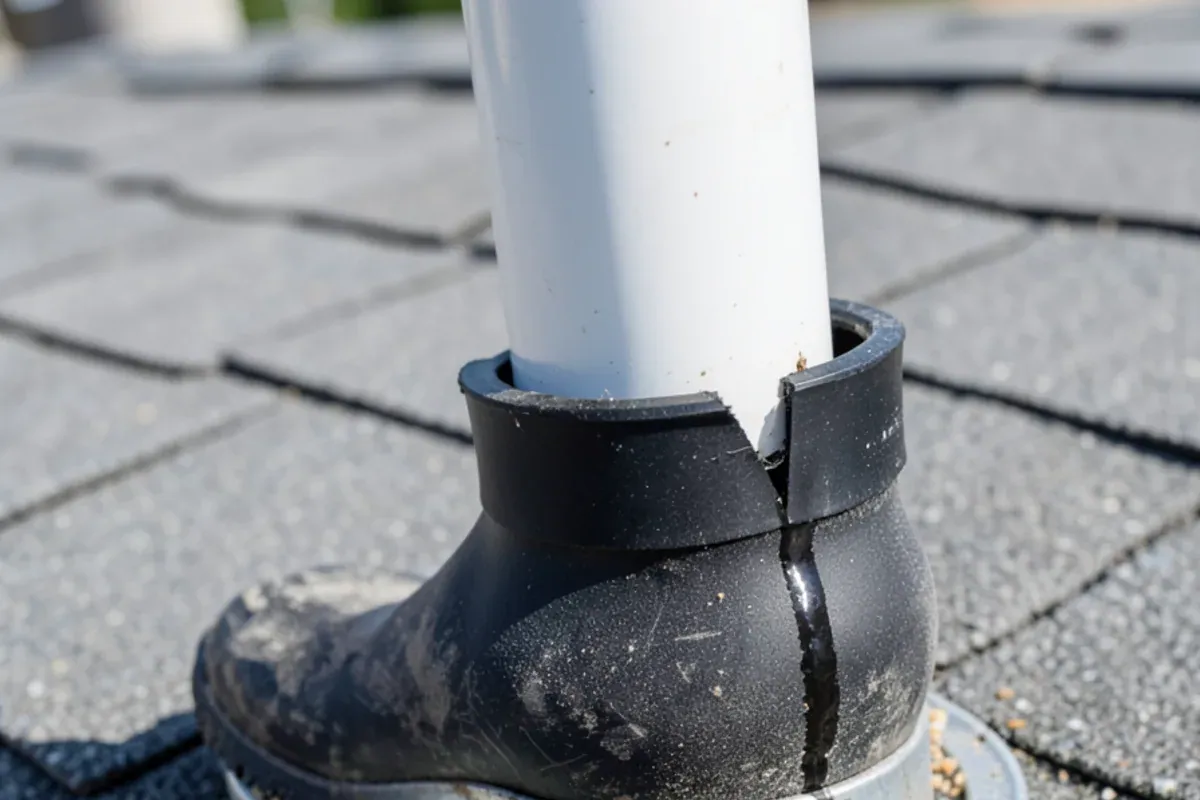
- A cracked roof boot visible with binoculars: split rubber, a gap between the collar and pipe, or a collar that has slid down.
- Wet or darkened decking around the pipe when you look from the attic with a flashlight.
- Chewed or bent lead boots, since squirrels sometimes gnaw on soft lead.
Don't climb up to check. A roof is no place for a homeowner, even on a dry day.
Pipe Boot Repair Options Compared
| Option | What it is | How it holds up |
|---|---|---|
| Caulk or sealant over the crack | Temporary patch on the old collar | Short-lived in Texas heat; hides ongoing leaks |
| Retrofit collar or boot cover | A new sleeve or cap over the existing boot | Useful when the flange is sound and the shingles can't be lifted safely |
| Full boot replacement | Old boot out, new boot in with flange under upper shingles | The standard fix; stops the leak at the source |
| Lead boot | Soft lead sleeve folded into the pipe | Long-lasting against sun; needs protection from animal damage |
Want a roofer to look at it?
Free inspection with photos. Se habla español.
- 5.0 on Google (33 reviews)
- Free inspections & estimates
- Se habla español
- Workmanship guaranteed in writing with every contract
How We Replace a Leaking Pipe Boot
- Inspect the attic around the pipe for wet or soft decking and check the extent of any water trail.
- Carefully break the seal on the shingles above the boot and remove the nails holding the old flange.
- Slide out the old boot and check the decking around the hole. Soft wood gets replaced before anything new goes on.
- Install the new boot with its flange under the upper shingle courses and over the lower ones, so water sheds over it.
- Fasten and seal according to the boot and shingle instructions, then reseat the shingles.
- Paint the pipe and boot to blend with the roof if you want it. Reviewers have mentioned our crews painting roof fans and pipes to match, a detail you can ask for on any vent work.
Leak Near a Vent Pipe, but the Boot Looks Fine?
Not every stain under a vent pipe comes from the boot. When the collar looks sound through binoculars and the stain still grows, we widen the search:
- A disconnected bathroom fan duct. If the duct has slipped off the fan or the roof jack, warm, wet air from every shower pours into the attic and condenses on the cold side of the decking, then drips onto the ceiling. It looks like a roof leak, but it shows up after showers instead of storms.
- A gas appliance vent. Water heaters and furnaces vent through metal pipes with a storm collar above the flashing. A loose or missing collar lets rain run down inside the flashing.
- A plumbing drain fitting. A slow drip at a joint inside the wall or attic leaks whether it rains or not.
- A short or wrong-size boot. Boots are sized to the pipe, and plumbing vents on houses range from about 1-1/2 to 4 inches. A collar stretched over the wrong size, or a pipe cut too short after an earlier re-roof, leaves a gap no sealant will hold.
Check the timing first
Write down when the stain grows. After storms points to the roof; after showers points to the fan duct; anytime points to plumbing. That one note often saves an hour of searching in a hot attic.
What We Keep Finding Around Vent Pipes
The pattern is consistent across DFW roofs: the shingles still look fine, the roof is mid-life, and one or two boots have cracked. Homeowners are often surprised a leak this small can soak decking, but a slow drip running down a pipe for two or three summers is enough to rot the plywood around it. When we catch it early, the repair is just the boot. When we catch it late, it's the boot plus a section of decking and a ceiling repair.
We also find plenty of boots that were "fixed" with caulk. The bead looks fine from the ground, but there's a crack underneath, and water keeps getting in. And we check every penetration while we're up there, because if one boot has failed, the others on the same roof are usually the same age. The same goes for the rubber gaskets on exhaust vents and the seals around satellite mounts. Replacing every aging boot in one visit costs less than separate trips each time another one cracks.
Fix the Small Leak Before It Gets Bigger
A vent pipe leak on the ceiling is a cheap warning. Our pipe boot and vent repair service replaces failed boots the right way, and it's one part of our wider roof repair work. Our crews are based in Irving, where homeowners know us as a local Irving roofing contractor, and our boot repairs reach into the Mid-Cities, including Euless, where homes near DFW Airport see the same long sun exposure. ¿La ventila del techo gotea? Le atendemos en español.
If you see a ring on the ceiling under a bathroom or kitchen, call us on (725) 745-8803. We'll check every boot on the roof, photograph what we find and give you a written quote before any work begins.
Questions readers ask
How long does a rubber pipe boot last in Texas?
Can I just caulk a cracked pipe boot?
Does homeowners insurance pay for a leaking pipe boot?
Should every pipe boot be replaced when I get a new roof?
Sources

Written by the RJ Premium Roofing team, a bilingual roofing contractor based in Irving, TX. We inspect, repair and replace roofs across Dallas–Fort Worth and document storm damage for homeowners’ insurance claims.