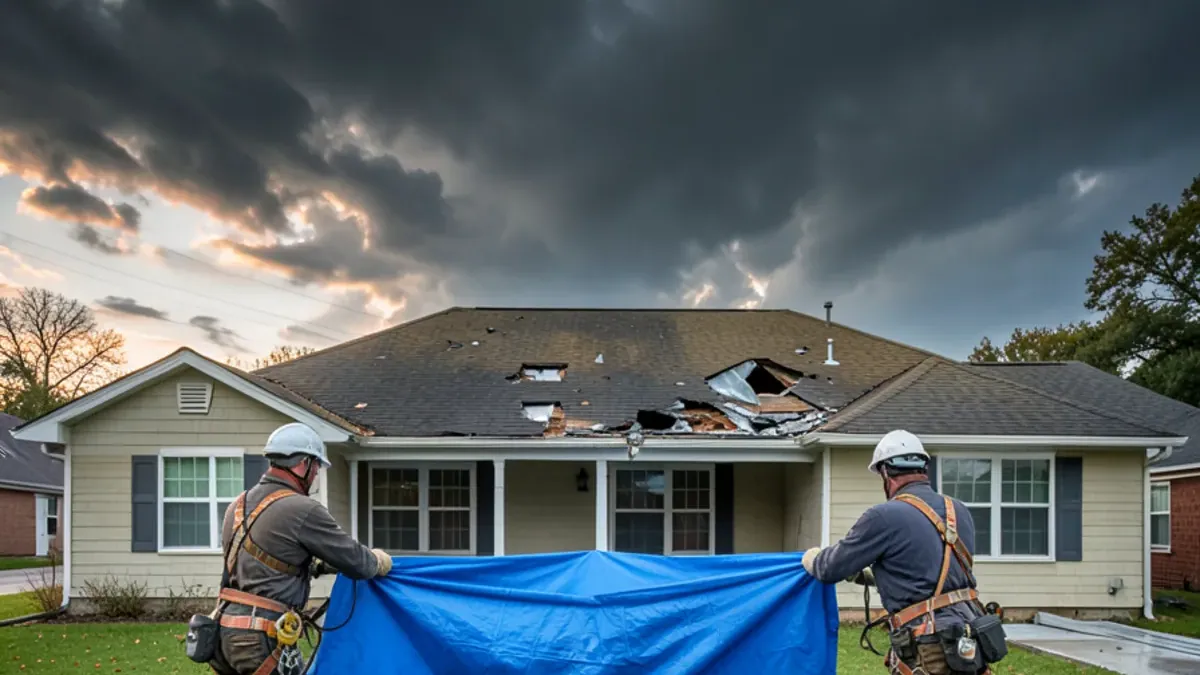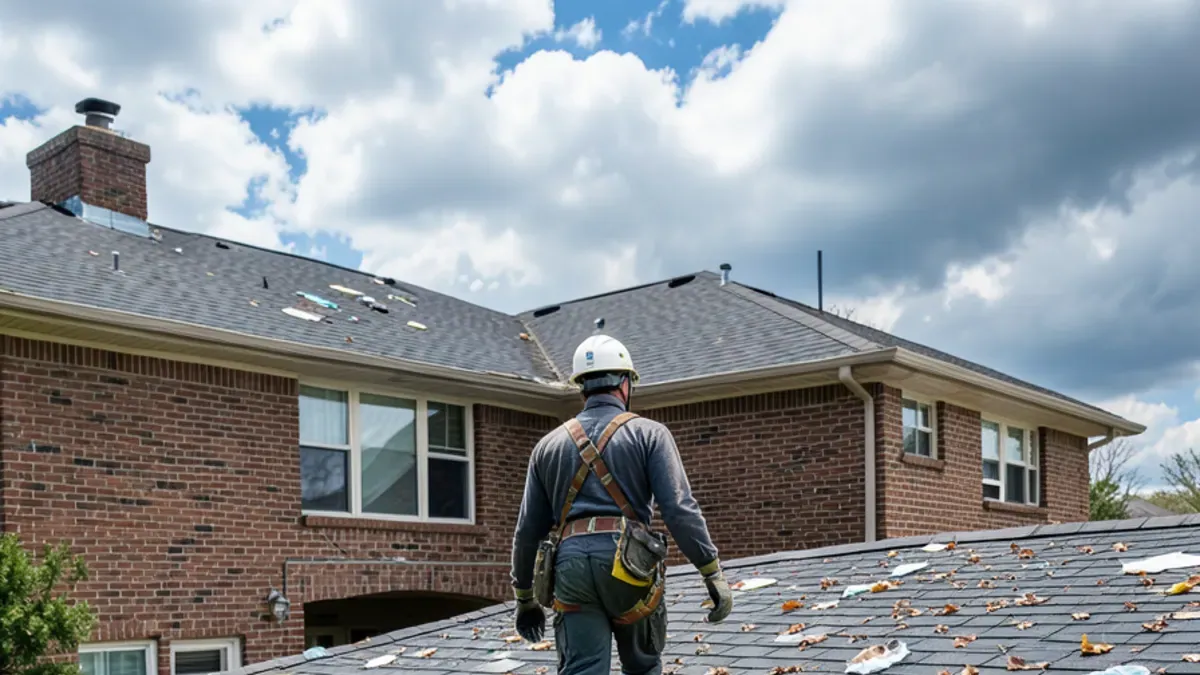
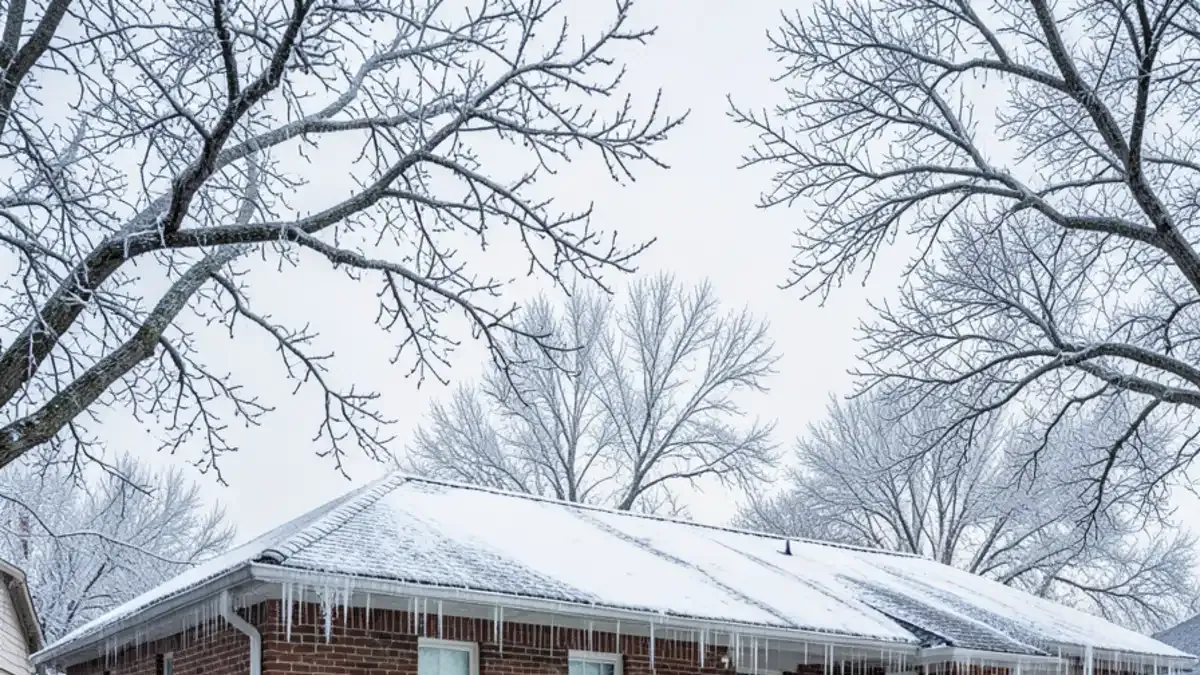
Winter storm roof damage in Texas looks different from summer storm damage. Ice backs water up under shingles at the eaves, frozen gutters pull loose, attic frost melts into ceiling stains, and burst attic pipes can pass for a roof leak. Most of it shows up during the thaw, so look then, from the ground and the attic.
North Texans plan for hail and tornadoes. Winter storms get less attention, until one sits over the metro for days the way Winter Storm Uri did in February 2021, with ice, snow and power outages across the state. Roofs built for heat and hail can struggle when ice stays put. Here is how winter damage happens here and what to check once it melts.
Nobody on an Icy Roof
Ice turns a roof into one of the most dangerous surfaces around a house, and a ladder set on frozen ground can kick out with no warning. Roofing is already a high-risk trade: the Bureau of Labor Statistics reports 134 roofing fatalities for 2023, with falls, slips or trips behind 110 deaths among roofing contractor workers. Do not climb up to clear ice, chip at gutters or check a leak. Every useful check in this article happens from the yard or the attic, and roof work waits until surfaces are dry and above freezing.
How Ice Damages Roofs in the Dallas Area
Ice damage on a Dallas-area roof usually comes from one of four places:
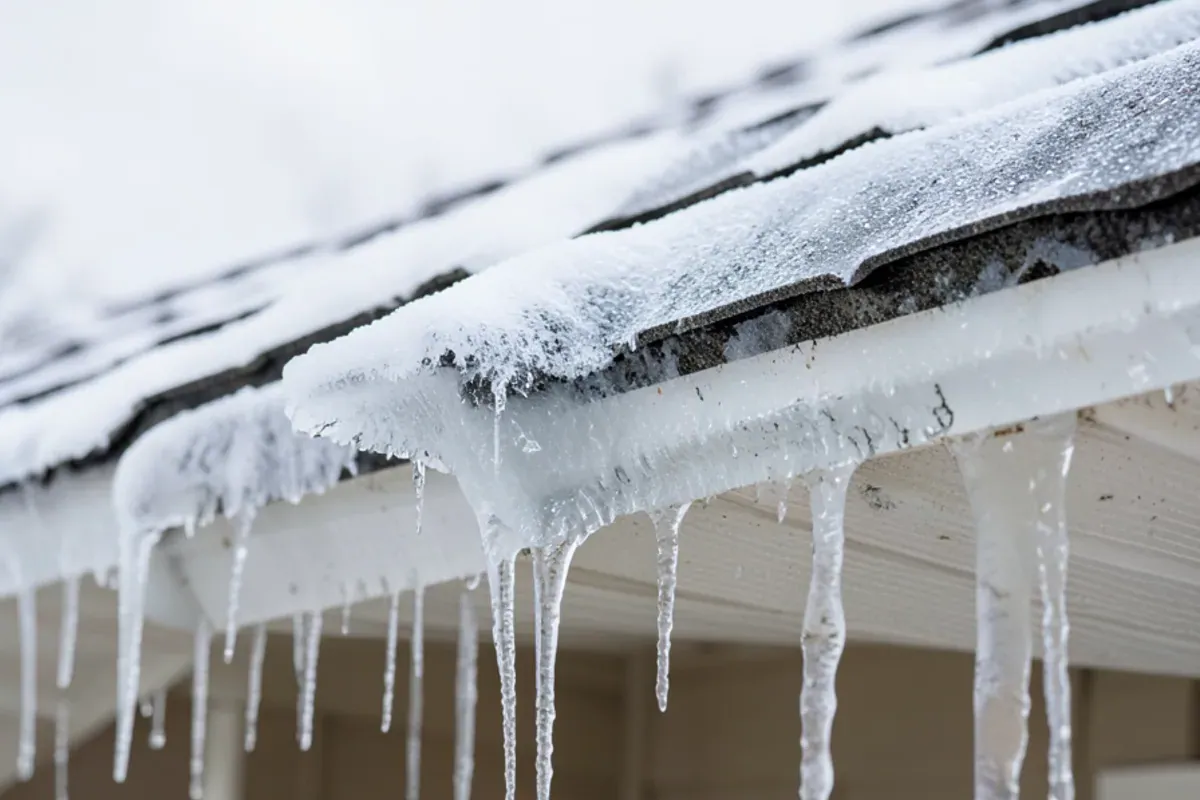
- Ice at the eaves. When snow or ice sits on the roof for days, attic heat melts the upper layer. Water runs down to the colder eave, refreezes, and builds a ridge. Meltwater behind that ridge can back up under shingle laps, which are designed to shed water downhill, not hold a puddle.
- Frozen gutters. A gutter packed with ice gets heavy. It can pull away from the fascia, bend its hangers, or force meltwater over the back edge and behind the fascia board.
- Brittle shingles. Asphalt shingles stiffen in hard cold. Branches dropping under ice weight, or a foot on the roof, can crack them where they would simply flex in summer.
- Falling limbs. Ice-loaded branches break. In an ice storm, the cracking sounds across a neighborhood at night are limbs coming down, some of them onto roofs.
Freeze Roof Leak or Something Else?
Not every winter ceiling stain is a roof problem, and this is where homeowners lose time and money. Here is how we sort them:
| What you notice | Likely source | What to do first |
|---|---|---|
| Drip near an exterior wall during the thaw | Water backed up behind eave ice | Catch it; have the eave shingles and underlayment checked once dry |
| Many small drips across a ceiling on a sunny thaw day | Attic frost melting off the decking | Check attic ventilation and air leaks from the house |
| Steady flow that continues in dry weather | Burst water line in the attic or wall | Shut off the water main; call a plumber |
| Stain under a valley or chimney | Ice or debris holding water at flashing | Roof inspection once it's safe |
| Water at the fascia or down the brick | Frozen gutter overflowing backward | Inspect fascia and gutter fastening |
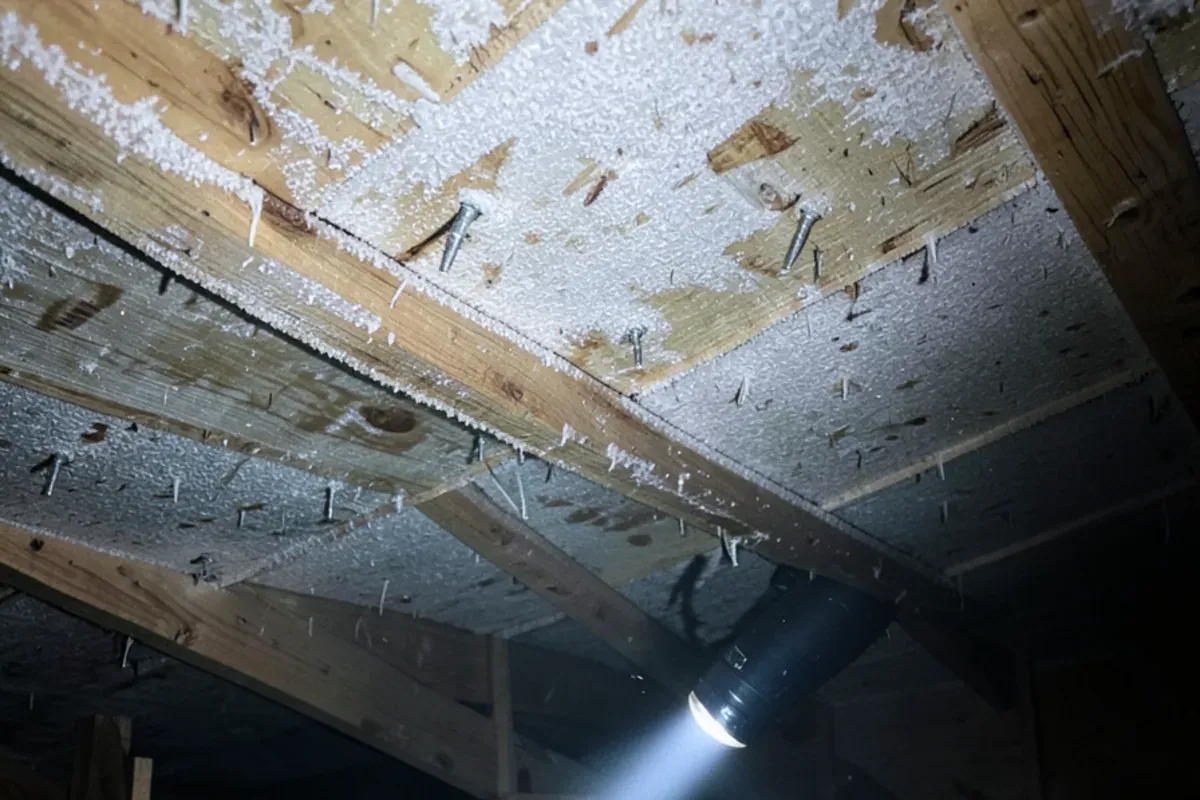
During Uri, many North Texas homes had water lines running through cold attics. When those lines split and then thawed, the water looked exactly like a roof leak from below. Shutting off the main is a quick test: if the drip stops, it's plumbing.
Want a roofer to look at it?
Free inspection with photos. Se habla español.
- 5.0 on Google (33 reviews)
- Free inspections & estimates
- Se habla español
- Workmanship guaranteed in writing with every contract
Does Insurance Cover Winter Storm Roof Damage in Texas?
Usually, when the damage is sudden. The Texas Department of Insurance has explained that winter weather damage is generally covered when ice or snow causes something to break, collapse or leak unexpectedly. That covers the common North Texas cases: shingles cracked by an ice-loaded limb, water forced in behind eave ice, and a gutter torn off by its own weight. TDI also treats a burst pipe as a sudden event that policies generally cover, though the pipe itself may not be.
Where winter claims get harder:
- Wear versus storm. Shingles that were already curling or unsealed before the freeze may be judged as age, not storm damage.
- Roof-repair limits. Some newer Texas policies pay roofs on an actual-cash-value schedule or limit roof coverage. Read the endorsements on your declarations page before you assume full replacement.
- Unheated houses. Many policies exclude freeze damage to plumbing if the home was left without heat and the water was not shut off, so note any power outage dates.
- Two causes, one stain. When a pipe and the roof both leak, the insurer will want each traced. Our attic photos help separate them.
Winter Storm Uri Roof Damage and Delayed Leaks
One frustrating feature of freeze damage is the delay. A shingle that cracked under ice may not leak until the first spring thunderstorm. An eave that held standing meltwater may have soaked the underlayment and the decking edge, which then softens over the following months. If your home came through a hard freeze, the first heavy spring rain is a good test, and May, usually Irving's rainiest month, delivers plenty of them.
After the Thaw: Roof Damage After an Ice Storm Checklist
Once temperatures are back above freezing and the roof has dried, walk the property:
- Gutters straight and tight to the fascia, with no bent hangers
- Downspouts flowing, not split at the seams
- Shingles intact at the eaves, with no curled or cracked edges visible with binoculars
- No broken limbs resting on the roof or caught in valleys
- Attic decking dry, with no dark rings around nail tips
- Insulation dry and not matted near the eaves
- Ceilings and upper walls free of new stains
If the attic is damp across a wide area, the cause is often moisture from the house condensing on cold decking. Better ventilation and sealing air leaks around light fixtures and attic hatches fixes that, not new shingles.
Before the next hard freeze
Most of the damage above is cheaper to prevent than to repair. In late fall, clear gutters and valleys of leaves so meltwater has somewhere to go, have limbs that hang over the roof trimmed back, wrap or insulate any water lines that run through the attic, seal air leaks around attic hatches and recessed lights, and learn where your water main shuts off. When a hard freeze is forecast, open cabinet doors under sinks on exterior walls and keep the heat on even if you leave town.
What We Check on Roofs After a Hard Freeze
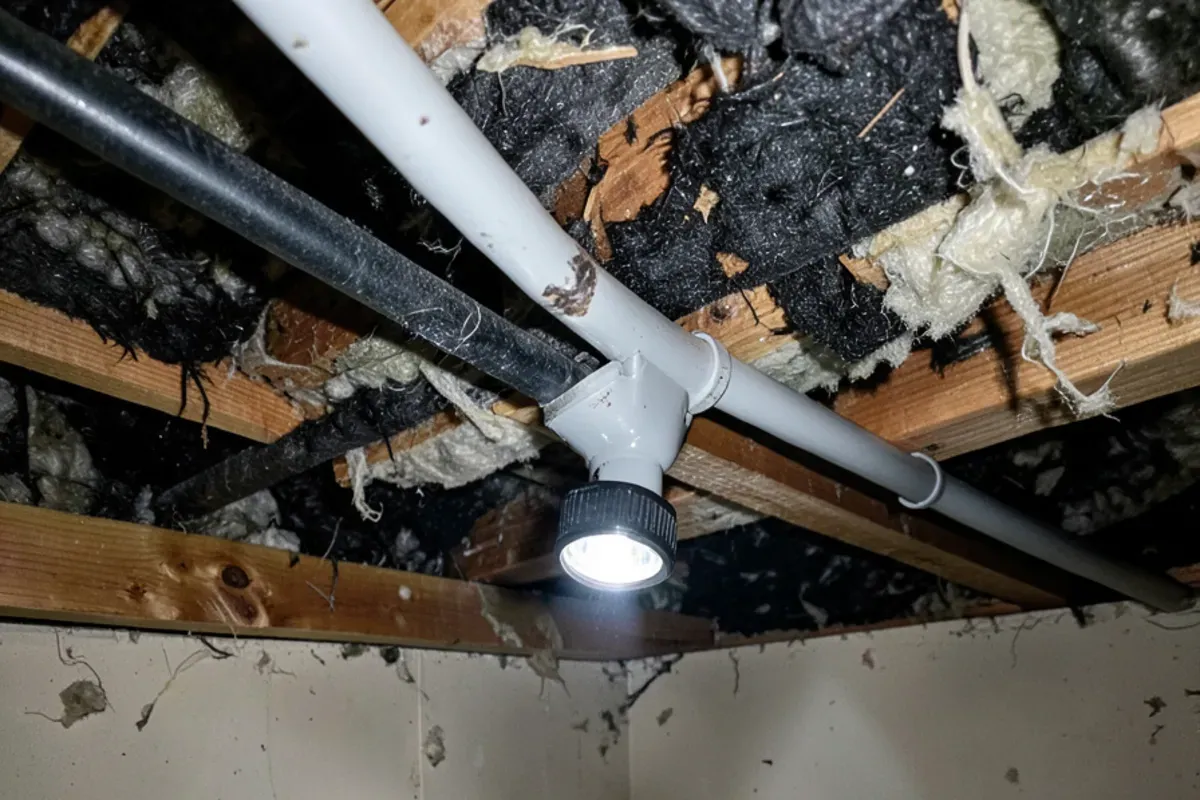
We start in the attic. Water stains tell us whether a leak came from above (a defined stain trail on the decking) or from a pipe or condensation (wet insulation with dry decking, or frost marks around every nail). Up top, once it's safe, we look at the first few shingle courses along the eaves, the underlayment at the drip edge, valley metal, and pipe boots, whose rubber collars stiffen in cold and can split. We photograph each finding so you can show your insurer what the storm did and separate it from plumbing or condensation issues.
The honest trade-off after a freeze is timing. A roof that came through with a few cracked eave shingles can often be repaired, and waiting for warmer weather gives sealant strips a better chance to bond. But a winter repair delayed into April runs straight into hail season, and a new storm on top of unrepaired freeze damage makes both harder to document. If we find damage, we usually suggest covering anything open now and scheduling the shingle work for the first stretch of mild, dry days.
Homes at the north end of the metro, around Denton, and back at our home base as a roofer in Irving, TX, saw the same patterns during Uri: ice-loaded gutters, cracked eave shingles and attic pipes that froze. Our storm damage roof repair work handles those repairs once the cause is clear, and our emergency roof repair crew can cover an active leak when the roof is safe to walk.
When the Ice Is Gone
Let the ice melt, keep everyone off the roof, and use the attic and the yard to find what changed. If you see stains, loose gutters or cracked shingles after a freeze, ring us at (725) 745-8803. We'll tell you whether it's the roof, the plumbing or condensation before anyone spends money on the wrong fix.
Questions readers ask
Is it a roof leak or a frozen pipe after a winter storm?
Should I knock ice off my roof or gutters?
Does homeowners insurance pay for roof damage from an ice storm in Texas?
Sources

Written by the RJ Premium Roofing team, a bilingual roofing contractor based in Irving, TX. We inspect, repair and replace roofs across Dallas–Fort Worth and document storm damage for homeowners’ insurance claims.