Storm chaser roofers follow big Texas hailstorms from city to city, knocking on doors while the damage is fresh and leaving once the work dries up. Not every out-of-town crew is a scam, but the pattern carries real risks: pressure to sign fast, deductible promises Texas law forbids, and warranties that are hard to use once the crew is gone.
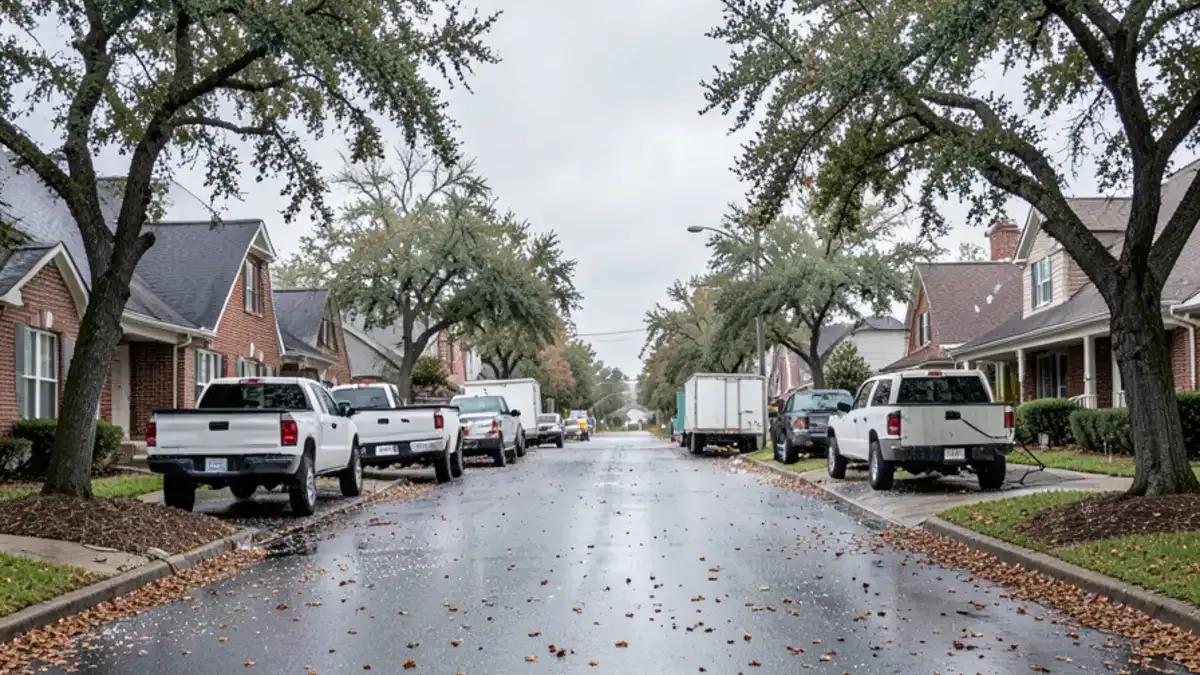
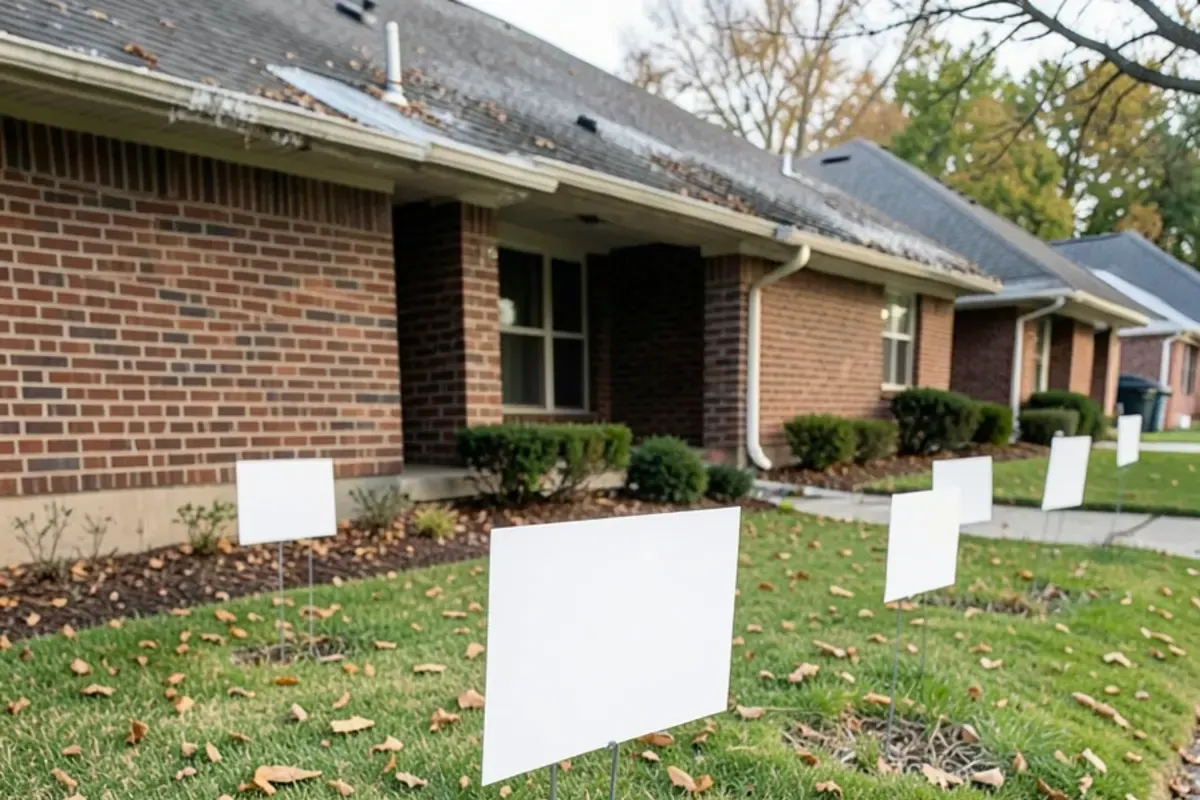
Within a day or two of a major hailstorm, the same scene plays out across the metroplex: trucks parked along the curb, yard signs sprouting on every other lawn, and a steady stream of knocks on the door. Some of those people are local roofers doing honest work. Others travel from storm to storm, sign as many contracts as they can and move on. Telling them apart is easier when you know what to look for.
Why Texas Hail Draws Storm Chasers
North Texas produces some of the most frequent large hail in the country, and each big storm creates thousands of insurance-funded roofs in a few square miles. That concentration is what draws traveling crews. They often arrive with sales teams first, sign up owners while the storm is in the news, and schedule the work later, sometimes with subcontractors the homeowner never meets.
Texas makes this easier than many states. Roofers here need no state license at all; TDLR, the state agency that licenses many trades, has no roofing program. The Roofing Contractors Association of Texas runs a voluntary program, and cities handle contractor registration on their own. Irving, for example, requires annual contractor registration.
Red Flags of Roofing Scams After Hail
Roofing scams after hail tend to share the same signs. Be cautious when you see any of these:
- They found you, not the other way around. Door-to-door roofers showing up unasked, often within hours of the storm.
- They offer to cover your deductible. Texas Insurance Code Chapter 707 prohibits it, which tells you how they treat rules.
- They say they will "handle the insurance." Under Chapter 4102, contractors may not act as public adjusters or work your claim for you.
- They want a signature today. Especially before an inspection report or before your adjuster has visited.
- They ask for a large payment up front. Or want insurance checks signed over before work begins.
- They have no local address. Only a cell number, an out-of-area address, or a temporary office.
- They cannot show city registration or insurance. Or they get vague when you ask for a permit.
Want a roofer to look at it?
Free inspection with photos. Se habla español.
- 5.0 on Google (33 reviews)
- Free inspections & estimates
- Se habla español
- Workmanship guaranteed in writing with every contract
The Contingency Agreement Roof Trap
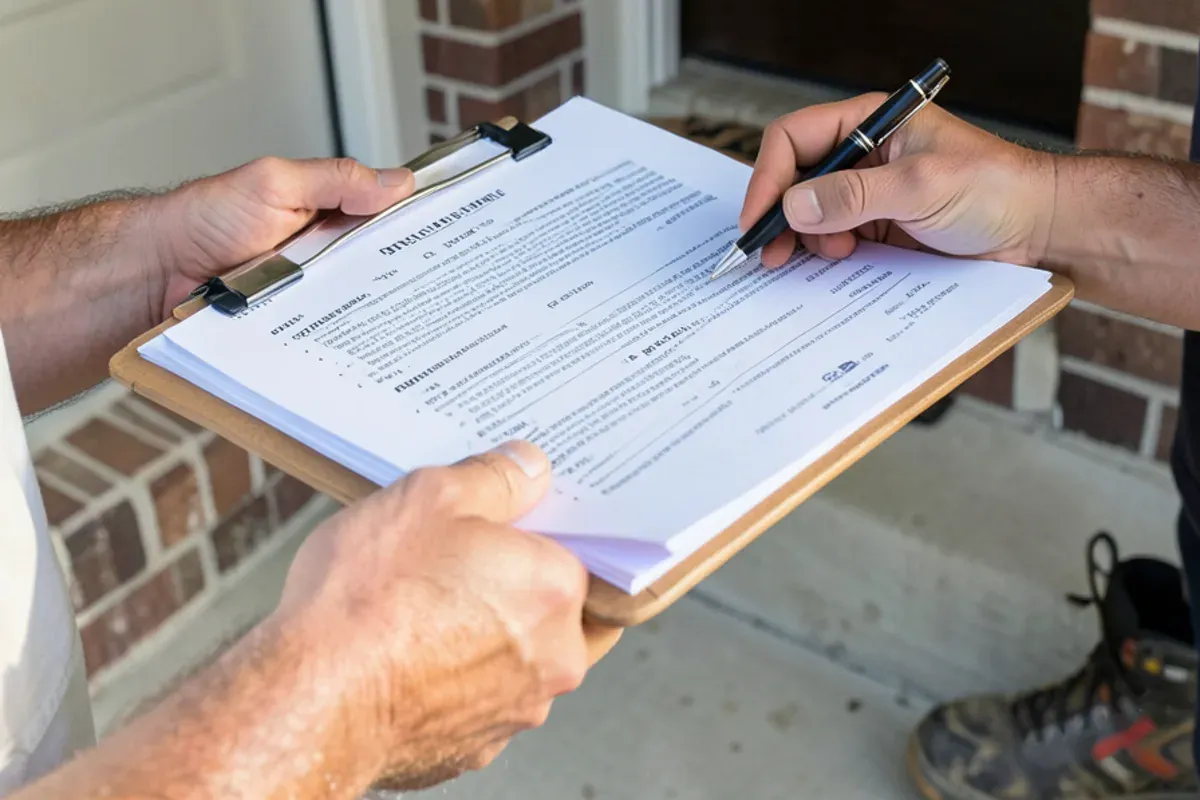
A contingency agreement for a roof is a document saying that if your insurer approves the claim, you will hire that company to do the work. It is often presented as a harmless "authorization" so the salesperson can "help with the claim." Read it closely before signing. Some versions commit you to that contractor at the insurer's approved price, charge a fee if you cancel later, or include language suggesting the company can speak for you with your insurer. Under Texas law, only you, your attorney or a licensed public adjuster can play that role.
You do not need to sign anything for a roofer to inspect your roof. If the paperwork says otherwise, take it as a reason to walk away.
Questions to Ask Any Roofer at Your Door
Before you agree to anything, ask these and note the answers:
| Question | A solid answer | A warning sign |
|---|---|---|
| Where is your permanent office? | A local base and phone number | A hotel, a truck or "we move around" |
| Are you registered with my city? | Yes, and they show proof | Confusion about what registration is |
| Can I see a certificate of insurance? | Sent from their insurer to you | A photo of an old certificate |
| Will you pull a permit? | Yes, where the city requires one | "Permits aren't needed for roofs" |
| Who does the actual work? | Their own crew, or named subcontractors | Unclear or "whoever is available" |
| What about my deductible? | You pay it, by law | "We'll take care of it" |
| Who do I call about a leak later? | The same local company, in writing | Silence or a national call center |
Already Signed? Steps to Take This Week
If a storm-day signature now feels like a mistake, move quickly and keep everything in writing:
- Find the cancellation notice. Contracts signed at home should include one. The Federal Trade Commission's Cooling-Off Rule allows three business days to cancel many in-home sales of $25 or more, and Texas has its own home-solicitation rules; the paperwork controls the details.
- Cancel in writing. Send the notice by mail with tracking or another method that proves delivery, and keep a copy and the receipt.
- Tell your insurer who is and is not working for you. Ask that payments go to you, and do not sign an insurance check over to anyone before work is done.
- Stop any work that has not started. If materials were dropped in your driveway, photograph them and ask in writing when they will be collected.
- Report pressure or deductible offers. The Texas Attorney General's consumer protection office and the Texas Department of Insurance both take complaints.
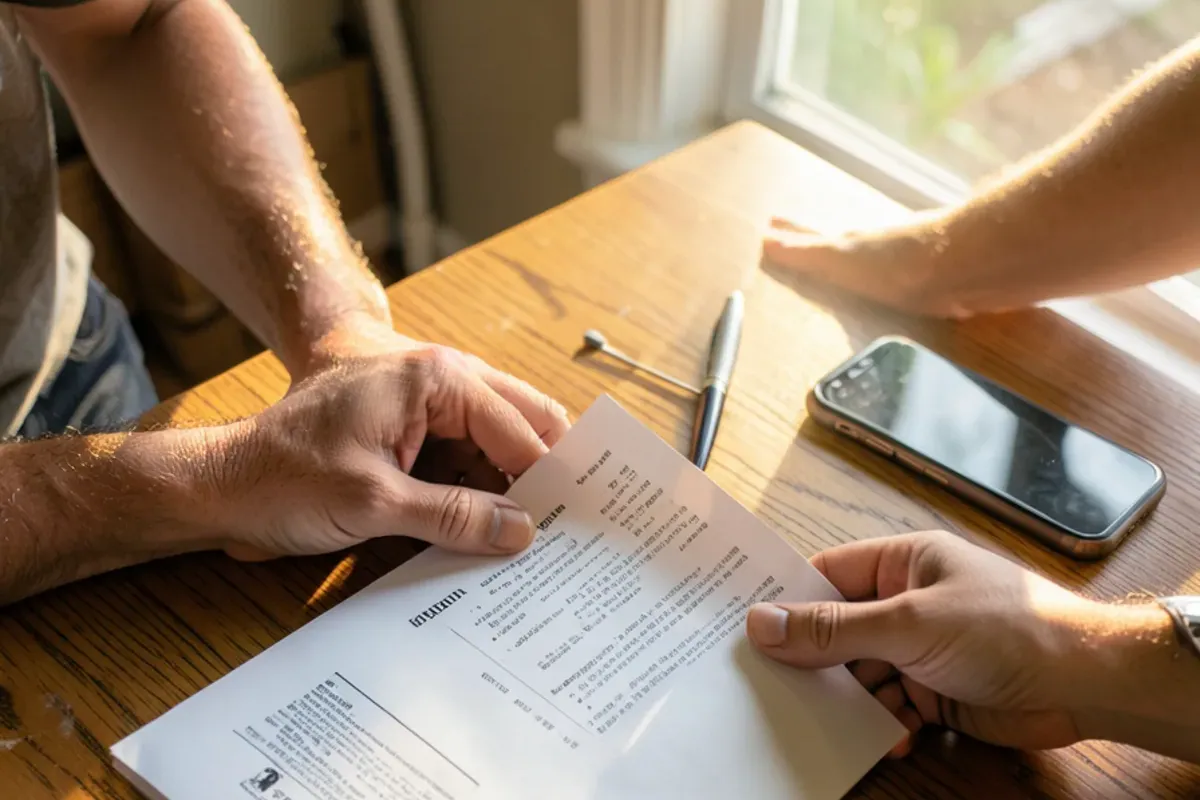
If the contract has no cancellation notice at all, or the company ignores yours, that is worth mentioning in a complaint. A consumer attorney can tell you where you stand when real money is involved.
Why Local Matters for Warranties
A workmanship guarantee is a promise, and its value depends on whether the company is still reachable when you need it. Manufacturer warranties on shingles cover materials, but many leak problems come from installation details: flashing, nailing, pipe boots. When the crew that did that work has moved on to the next storm, the homeowner has no one to call.
How We Handle Storm Season
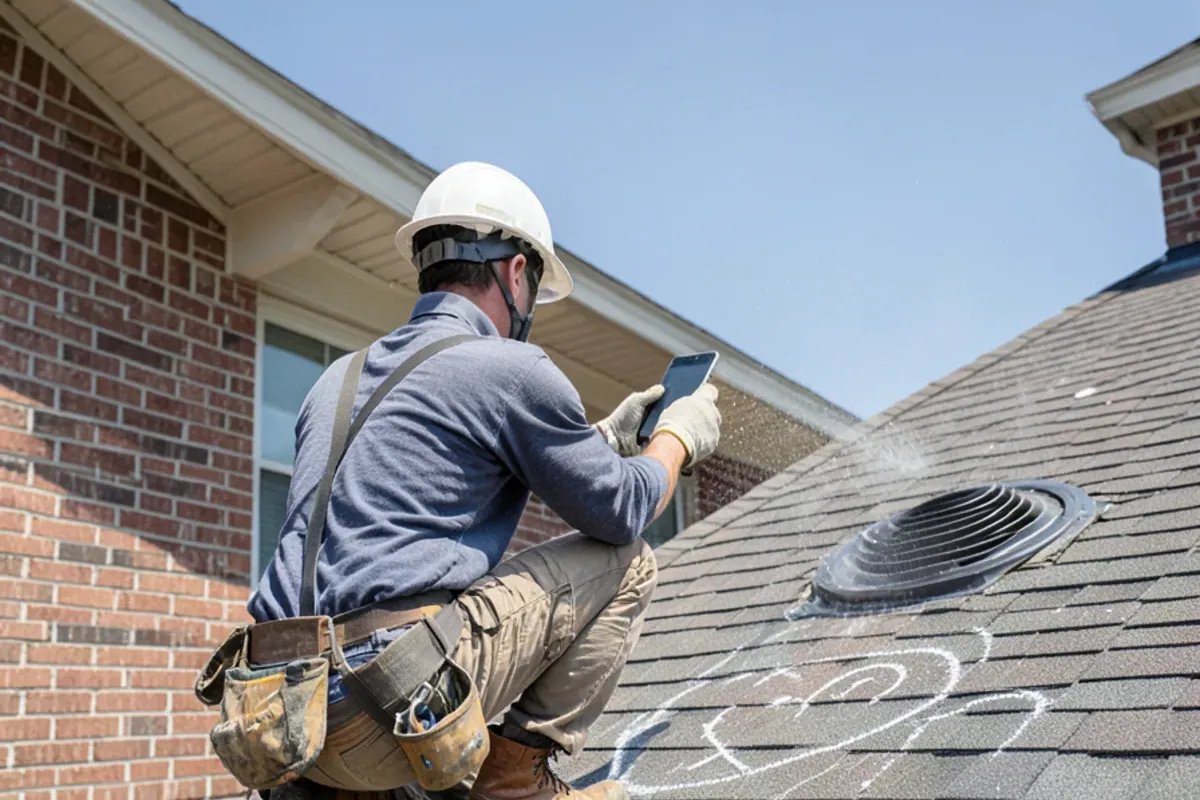
We are based in Irving, we serve the Dallas–Fort Worth area, and we will be here after the storm crowd leaves. Our process starts with documentation, not a signature. We inspect, photograph the damage slope by slope, and write a report you keep. Our storm damage documentation gives you evidence whether you hire us or not. Workmanship is guaranteed, with the written terms in your contract, and you pay your own deductible as the law requires.
Some honest trade-offs come with choosing a local roofer after a big storm. Local companies get busy too, so you may wait longer for an inspection than for the crew knocking today. If water is coming in, a temporary repair or tarp protects the house while you choose carefully, and your policy, not the salesperson, sets your reporting deadline. Out-of-town crews sometimes quote a lower price, but that number rarely includes someone to call when a pipe boot leaks two springs later. And for families who prefer Spanish, ask for the contract and the explanation in the same language; las estafas de techeros often rely on a fast verbal pitch in one language and fine print in another.
Homeowners in Watauga and other Tarrant County cities see the same flood of door knockers after every storm. If someone pressures you, the Texas Department of Insurance advises calling the state Attorney General's consumer line (800-621-0508) about deductible offers and similar tactics.
Slow Down, Verify, Then Decide
The safest response to a storm chaser is to take your time. A real roofer will still be there tomorrow, and a legitimate inspection does not require a signature. Learn how we handle roof insurance claims, or speak with a bilingual Irving roofing contractor who will still answer the phone next year. Dial (725) 745-8803 when you are ready for an inspection with no strings attached.
Questions readers ask
Are all out-of-state roofers storm chasers?
Can I cancel a roofing contract I signed with a door-to-door salesperson?
How do I check a roofer in Texas if there is no state license?
Is a free roof inspection offer at my door a red flag?
Sources
Written by the RJ Premium Roofing team, a bilingual roofing contractor based in Irving, TX. We inspect, repair and replace roofs across Dallas–Fort Worth and document storm damage for homeowners’ insurance claims.