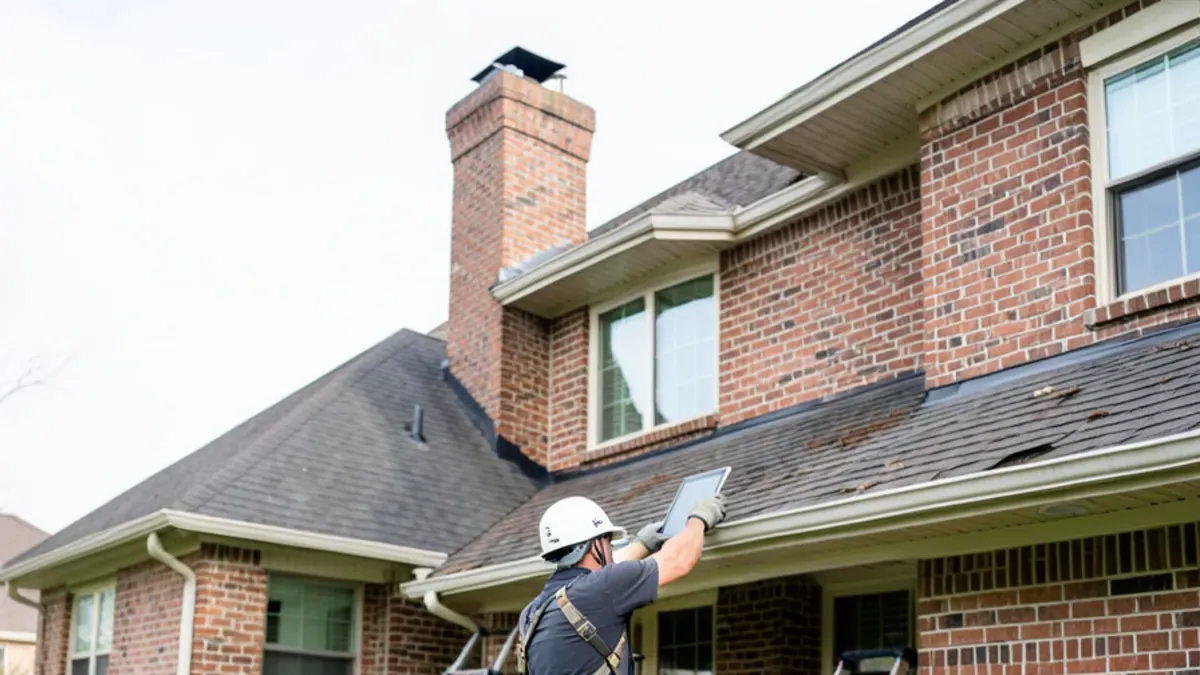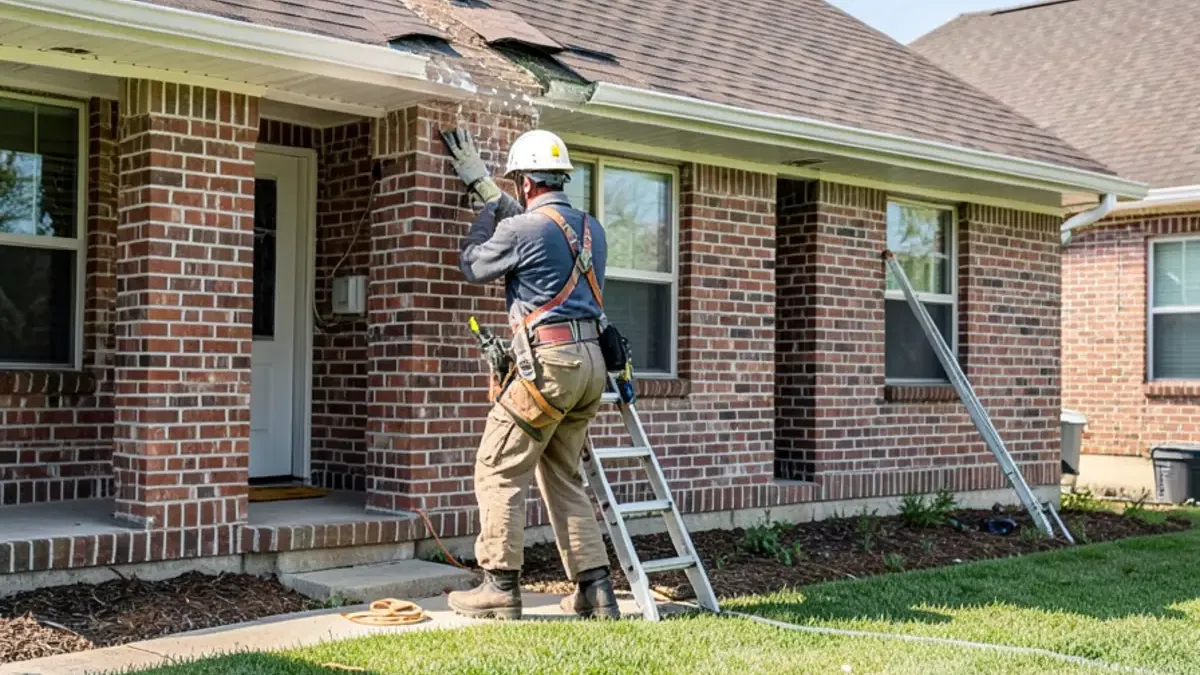
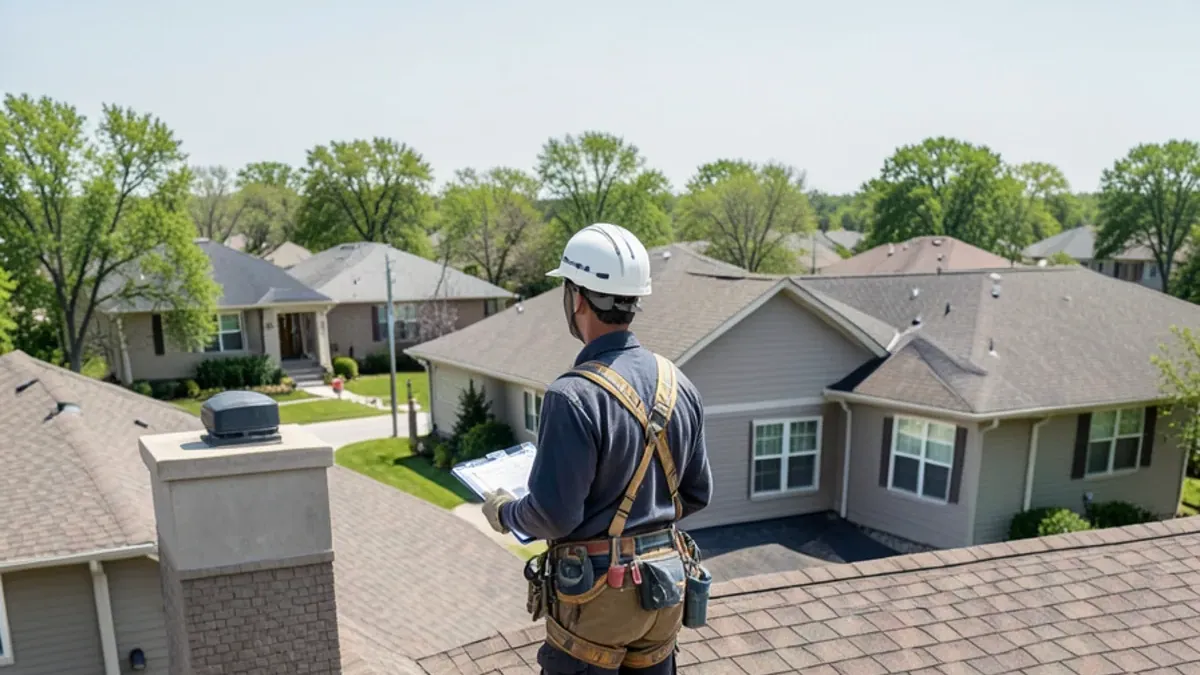
How often to inspect a roof in Texas comes down to one baseline and a few triggers: a full inspection once a year, plus a check after every hailstorm, high-wind event or fallen limb, and before you buy or sell a home. Older roofs earn a closer look each year, because North Texas heat and storms speed up wear.
Most people think about their roof twice: when it's new and when it leaks. In between, years of sun and storms do quiet damage that an inspection would catch early. Here's a practical schedule for North Texas roofs, and what each kind of check should actually cover.
The Short Answer: A Roof Inspection Schedule for DFW
| When | Why | Who does it |
|---|---|---|
| Once a year, late winter | Catch wear before hail and spring rain | Professional, plus your own ground check |
| After every hailstorm | Hail damage is often invisible from the ground | Professional |
| After high winds or a tornado warning | Lifted, creased or missing shingles | Ground check first, then professional |
| After a limb falls on the roof | Cracked decking and rafters | Professional |
| Before buying or selling a home | Know the roof's condition and remaining life | Professional |
| After any interior stain | Find the source before it spreads | Professional |
North Texas earns the after-storm row. The National Insurance Crime Bureau ranked Dallas among the top five U.S. cities for hail claims from 2017 through 2019, with 25,262 claims. Storms here aren't rare events; they're the season.
Roof Inspection Frequency by Roof Age
Age changes how closely to look, not how often to schedule:
- Newer roofs: a yearly check confirms boots, flashing and edges are holding and catches any installation issue early.
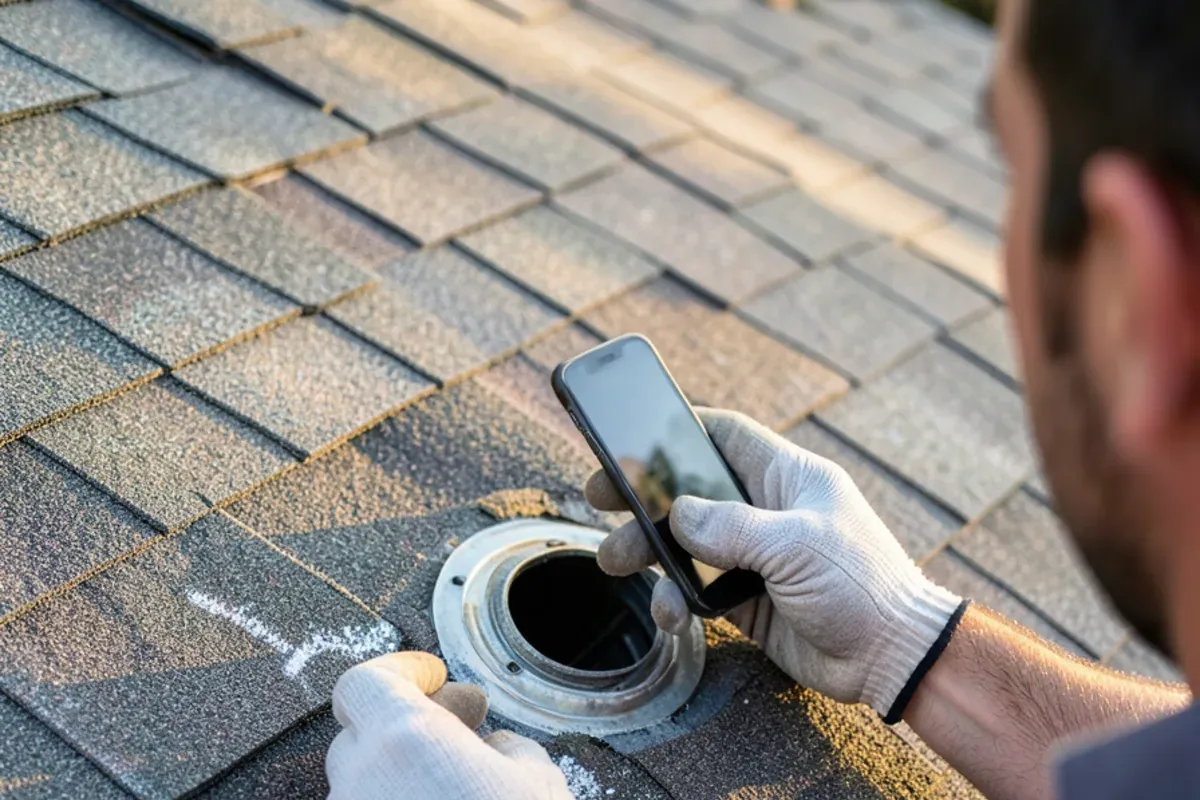
- Mid-life roofs: expect pipe boots and sealant to start failing in Texas sun even when shingles look fine. The yearly check should include every penetration.
- Older roofs: look for curling, granule loss, brittle shingles and soft decking, and start planning for replacement so it happens on your schedule, not after a leak.
A roof age inspection is also when we talk honestly about repair versus replacement. Sometimes the right answer is to fix a boot and wait; sometimes it's to start budgeting.
Want a roofer to look at it?
Free inspection with photos. Se habla español.
- 5.0 on Google (33 reviews)
- Free inspections & estimates
- Se habla español
- Workmanship guaranteed in writing with every contract
What an After-Storm Roof Check Should Cover
After hail or wind, start from the ground and stay there. Look for missing shingles, debris on the roof, dented gutters and downspouts, damaged screens and dings in the AC unit's fins. Those are clues, not proof. Hail damage on shingles often can't be seen from the yard at all.
A professional after-storm inspection should then cover:
- Every slope, with test areas checked for bruises, cracks and granule loss.
- Soft metals: vents, flashing, gutters and ridge vents, which show hail size and direction.
- Edges, rakes and ridges for wind lifting and creasing.
- The attic, for new water stains or daylight.
- Photos of everything, with notes on location and the storm date.
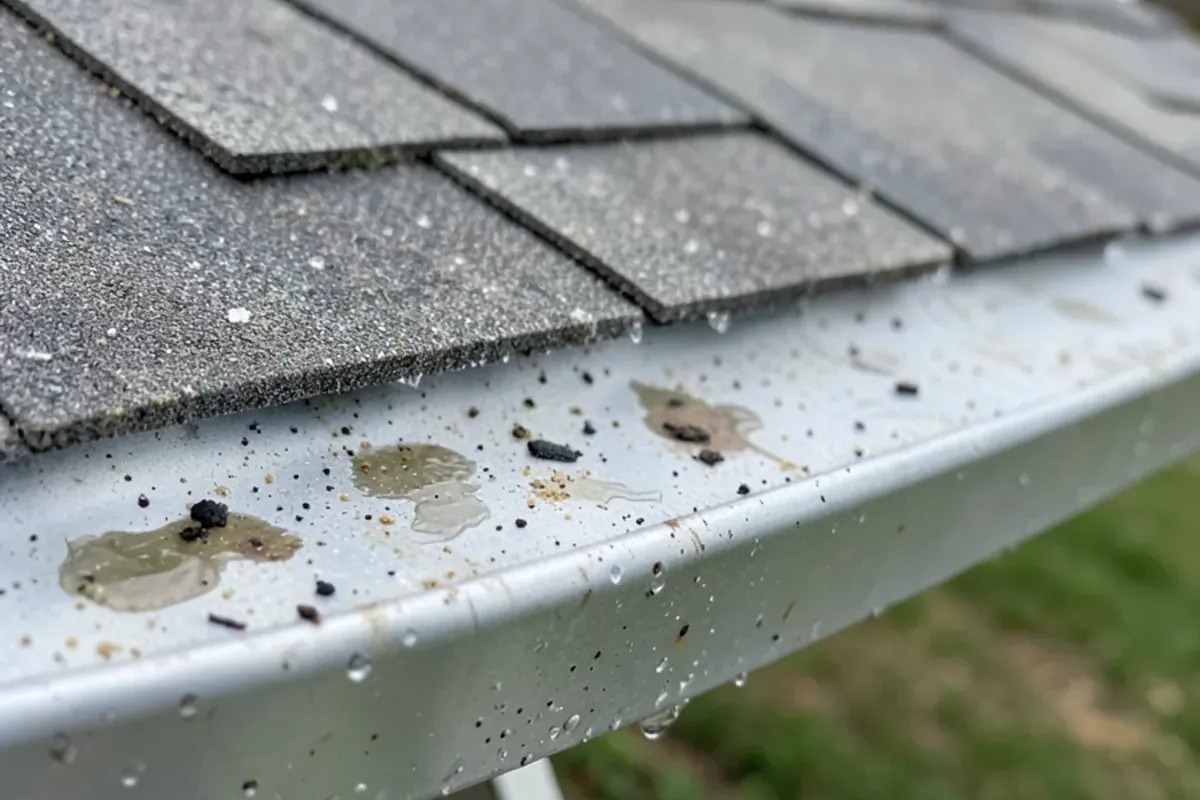
That record matters if you decide to file. We document the damage, explain what we found, and can attend the adjuster's visit to walk through the photos with them.
What a Yearly Inspection Covers
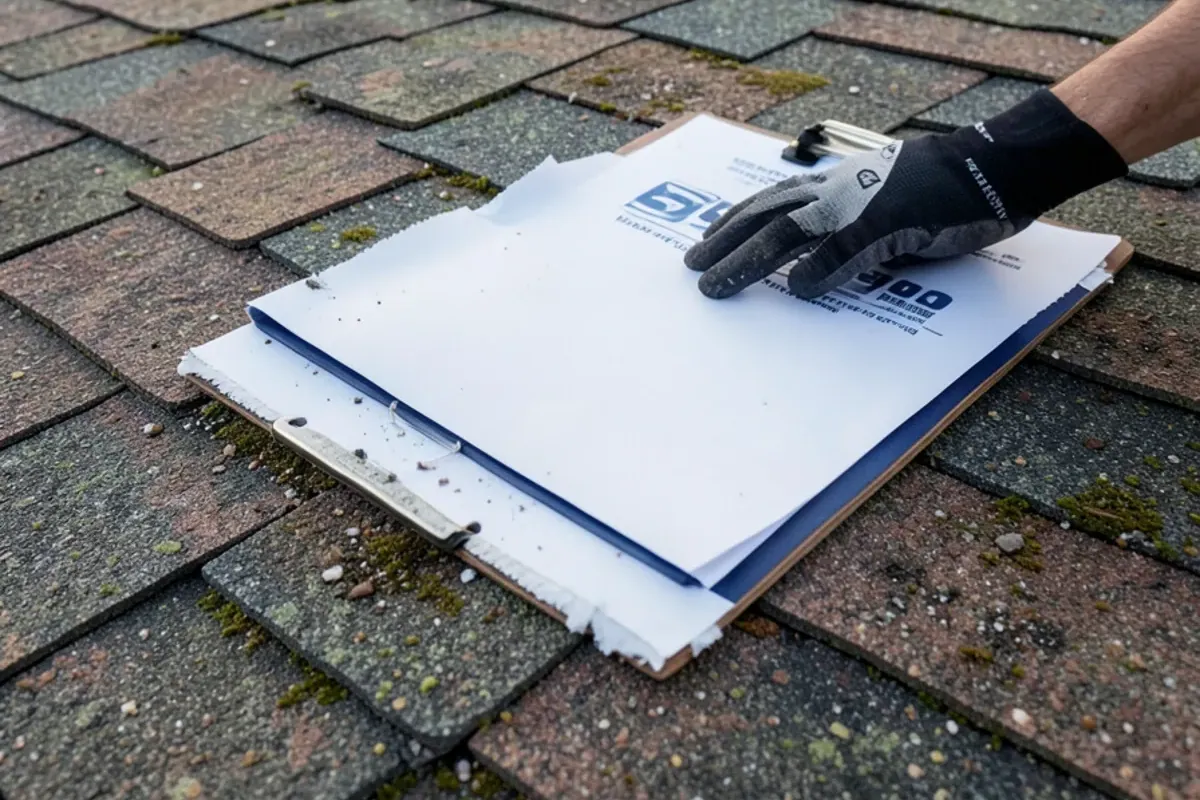
The yearly check is broader and less about storms. On a standard visit, we look at shingle condition and seal, pipe boots, exhaust vents, chimney and wall flashing, valleys, gutters and the drip edge, ventilation at the soffits and ridge, and the attic for stains, moisture and decking condition. You get photos and a plain-language summary, including anything that can wait and anything that shouldn't.
Less Obvious Reasons to Schedule a Check
Hail and wind are the obvious triggers. A few others catch Texas homeowners off guard:
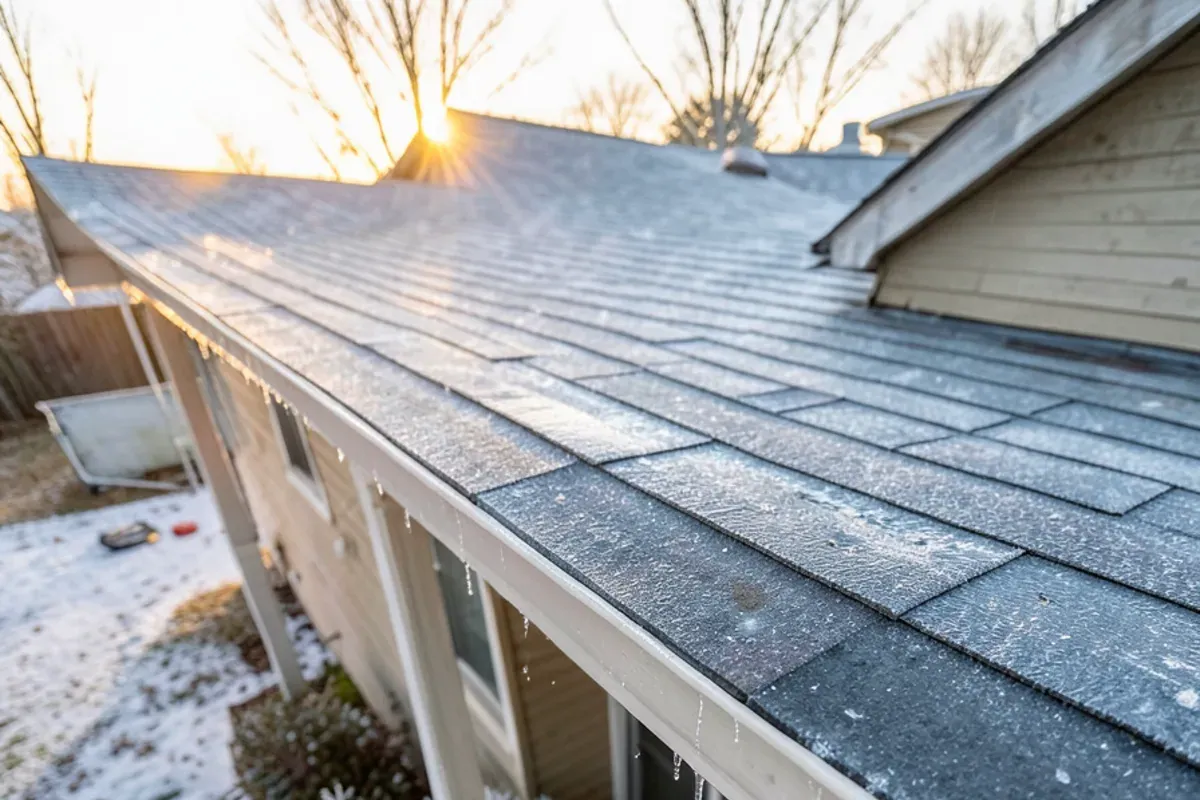
- A hard freeze. Winter Storm Uri in February 2021 showed how ice and long freezes can split pipe boots, crack brittle shingles and burst attic water lines. A check after the thaw is worth it.
- Other trades on the roof. HVAC, satellite, solar and cable crews walk roofs and drill through them. Ask what they did, then have the boots and fasteners checked.
- Tree work. A limb lowered carelessly onto a roof can crack shingles without leaving an obvious mark.
- A change in the attic. New insulation, a bathroom fan vented into the attic or a musty smell all change how the roof deck behaves.
- A higher bill or a warmer ceiling. Both can point to ventilation trouble under the roof deck.
Do Insurance Companies Inspect Roofs in Texas?
Some do, and more often than many owners realize. Insurers may look at a roof when a policy is written or renewed, frequently using aerial or satellite images, and an old or worn roof can lead to a request for repairs, a change in how the roof is covered, or a non-renewal notice. The Texas Department of Insurance explains your rights when a policy is changed or not renewed. A yearly inspection with dated photos gives you your own record of the roof's condition, which is useful if an insurer's image shows something you disagree with or a buyer's lender asks about the roof.
What We Notice When Inspections Get Skipped
The roofs that surprise homeowners usually went several years without a look. A cracked pipe boot that would have been a quick swap has rotted the decking around it. A storm from two seasons ago left bruised shingles that are now cracking. Granules have washed away on the sunny slopes, and the shingles there are near the end even though the shady side looks fine.
None of that is unusual in Texas. It's simply what time, sun and hail do. A yearly look turns those surprises into scheduled repairs, and it gives you a running photo history of the roof, which helps whenever a storm claim or a home sale comes up.
More inspections are not always better, though. Every walk across a roof adds a little wear, and on an older, brittle roof we keep foot traffic to the slopes that need it. Between professional visits, your own ground and attic checks are enough unless a storm passes through. And an inspection is only useful if it ends in a clear decision: repair now, watch it, or plan a replacement. We would rather tell you a roof needs nothing this year than invent a list.
Book the Next Check
Plan on once a year and after every major storm, with a closer look as the roof ages. Our roof inspection visits are free, and anything we find is quoted in writing as roof repair work before we touch it. We're a roofing contractor in Irving, TX and inspect roofs across the area, including Grapevine, north of DFW Airport near Lake Grapevine. ¿Cada cuánto inspeccionar el techo? Se lo explicamos en español.
If your roof hasn't been looked at this year, or a storm just passed, phone (725) 745-8803 to get on the schedule. You'll get photos of every slope and a straight answer about what needs attention.
Questions readers ask
How soon after a hailstorm should my roof be inspected?
Does a new roof need inspections?
Should I get a roof inspection before buying or selling a house?
Can a drone flight replace a hands-on roof inspection?
Sources

Written by the RJ Premium Roofing team, a bilingual roofing contractor based in Irving, TX. We inspect, repair and replace roofs across Dallas–Fort Worth and document storm damage for homeowners’ insurance claims.