The three main shingle granule loss causes are hail impacts, normal aging and manufacturing problems, and each leaves a different pattern. Hail strips granules in random round spots, age wears them evenly with the worst loss on sunny slopes, and a defect tends to repeat across shingles from the same batch.
Finding a layer of grit in the gutters or a dark fan of granules at a downspout makes many homeowners worry that hail did more than they thought. Sometimes it did. Other times the roof is simply getting older, or the shingles had a problem from day one. The cause matters, because it decides whether you are looking at an insurance claim, a warranty question or a budget for replacement.
Why Granules Matter
The ceramic-coated granules on an asphalt shingle are not decoration. They shield the asphalt from ultraviolet light, add fire resistance and give the roof its color. Once they are gone, the asphalt beneath dries, cracks and wears much faster under Texas sun. A roof with heavy granule loss is aging on an accelerated clock, whatever caused it.
Granules in Gutters: Three Possible Stories
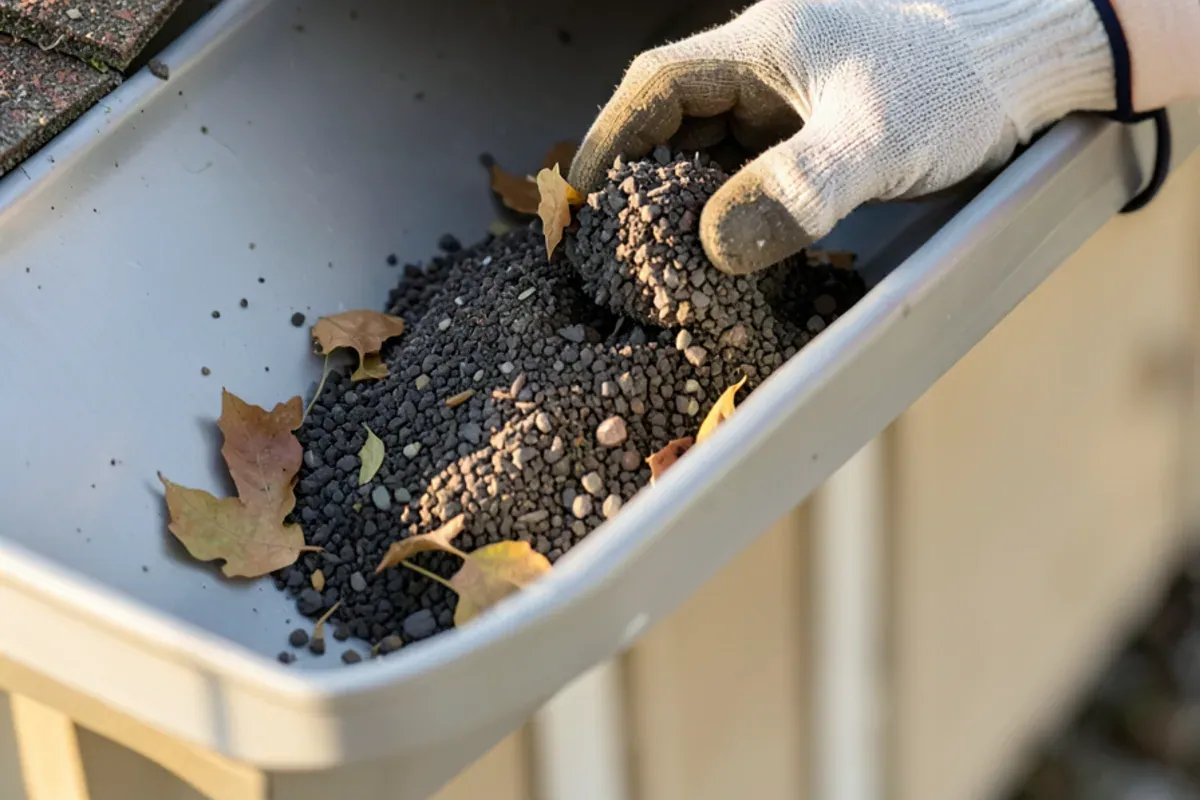
Granules in gutters are the clue most owners notice first. The amount and timing say a lot:
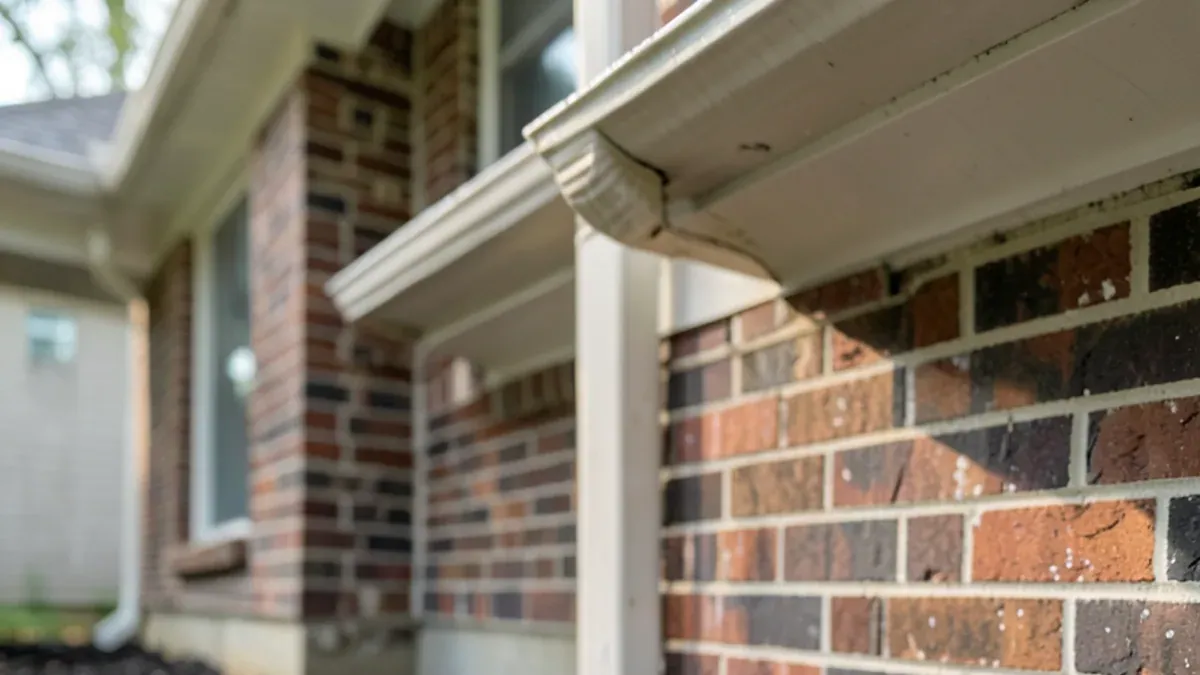
- Right after a hailstorm, with a fresh pile at the downspouts. Hail may have knocked granules loose across the roof. Check for dented gutters and vents too.
- A steady trickle over years, more each spring. That usually reflects normal aging, sped up by heat.
- Lots of shedding on a fairly young roof, with no storm to explain it. That can point to a manufacturing issue worth raising with the shingle maker.
- In the first months after a new roof. Loose surplus granules from the factory, which is expected.
How Inspectors Tell Hail, Age and Defect Apart
On the roof, the pattern of loss is more reliable than the amount in the gutters. This is the comparison we work from when we inspect:
| Clue | Hail granule loss | Aging and weathering | Manufacturing defect |
|---|---|---|---|
| Pattern | Random round spots | Even wear across the slope | Repeats across shingles from one batch |
| Location | Heavier on storm-facing slopes | Heavier on sunny slopes and lower edges | Not tied to sun or storm direction |
| Shingle mat | Often bruised or fractured under the spot | Intact but thin and brittle | May show blisters or poor adhesion |
| Soft metals | Dented gutters, vents, flashing | No dents | No dents |
| Timing | Starts after a specific storm | Builds over years | Often shows within the first years |
| Who usually pays | Homeowners insurance, if the hail damage qualifies | Owner (maintenance or replacement) | Manufacturer warranty claim |
Want a roofer to look at it?
Free inspection with photos. Se habla español.
- 5.0 on Google (33 reviews)
- Free inspections & estimates
- Se habla español
- Workmanship guaranteed in writing with every contract
Bald Shingles and the Age Question
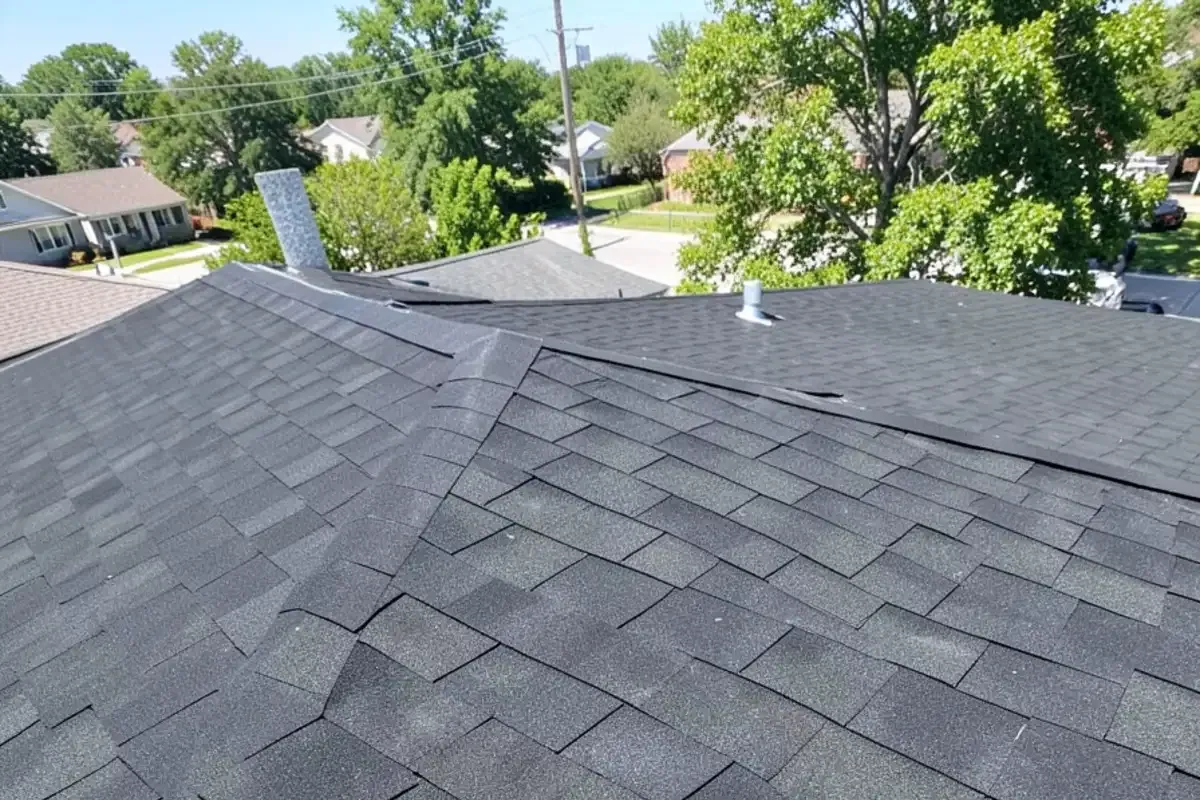
Bald shingles are what aging looks like at the end. The asphalt shows through as smooth, darker patches, often along the bottom of each course where water runs off and on the west- and south-facing slopes that bake longest in summer. That kind of loss is gradual, and insurers treat it as wear and tear, not storm damage.
In the Mid-Cities, including Bedford, many homes were built in the 1970s and 1980s and their roofs have been replaced once or twice since. A roof approaching twenty years in North Texas heat often shows broad, even granule loss that has nothing to do with the last storm, and we will tell you that plainly.
Heat from below speeds the same process. An attic with blocked soffit vents or too little exhaust can run far hotter than the outdoor air on a 95°F Irving afternoon, and that trapped heat cooks the shingles from the deck side while the sun works on the top. Roofs over poorly ventilated attics often show the earliest, most even granule loss on the whole street. When we find age-related wear, we check the attic as well, because fixing the ventilation on the next roof does more for its life span than any shingle upgrade.
Hail Granule Loss and Shingle Defect Claims
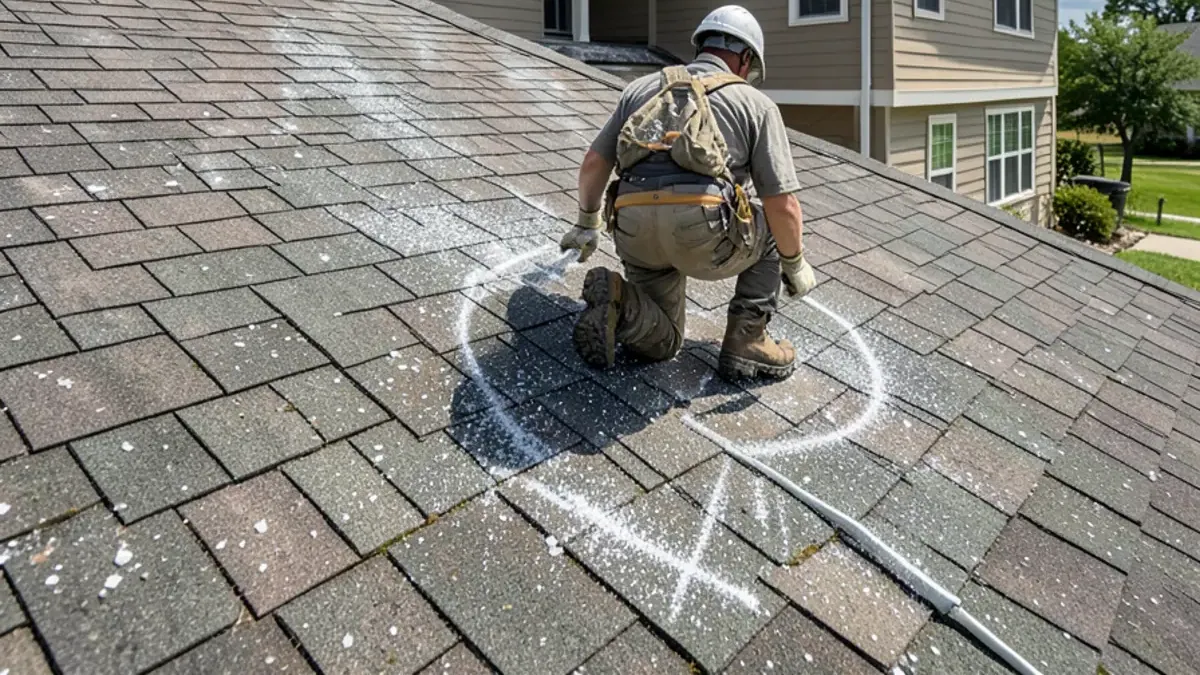
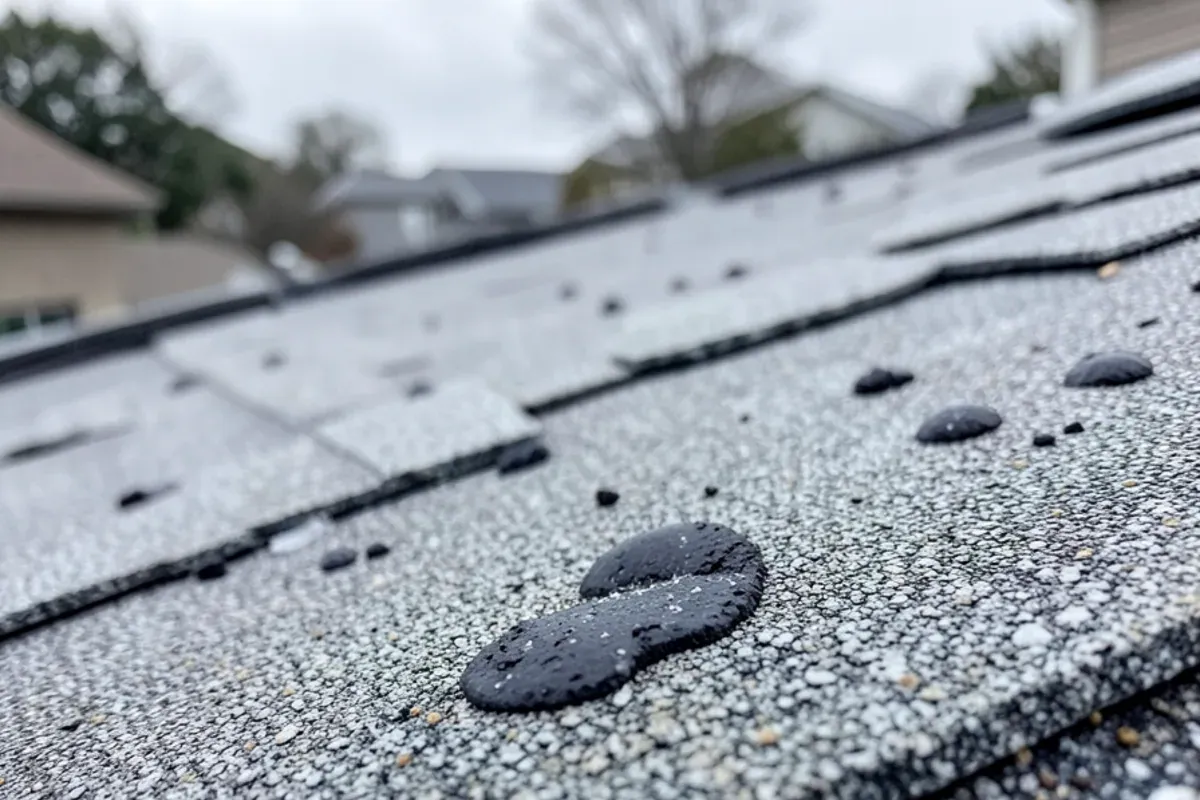
Hail granule loss looks different: scattered round marks where stones struck, often with a soft or cracked mat underneath. On a roof with both aging and hail, we photograph and separate the two, because only the hail damage connects to the storm. That separation keeps your claim focused on what the storm actually did.
A shingle defect claim follows a different path. It goes to the manufacturer under its material warranty, not to your homeowners insurer, and the maker may ask for samples, photos and proof of purchase or installation date. Keep your original roofing contract and any warranty registration for that reason.
How Much Granule Loss Is Too Much?
There is no cup measurement that turns a gutter full of grit into a diagnosis. What counts is whether the asphalt underneath is exposed and how fast that exposure is spreading. A few signs tell you the roof has crossed from normal shedding into a problem:
- You can see black asphalt or fiberglass mat in patches you could cover with your palm, or in long lines along the shingle edges.
- Granules keep arriving after every rain, not only after the first storm of the season.
- Gutters fill with grit faster than leaves on the sunny side of the house.
- Shingles look two-toned, with fresher color under the overlap where sun never reaches.
Look-alikes that are not granule loss
Black or dark green streaks running down a north-facing slope are usually algae, not missing granules, and they wash off with the right cleaner. Scuffed lanes leading to a satellite dish or attic vent usually trace foot traffic from a service visit. Rows of bare marks that follow a straight line often come from a pressure washer. None of these point to hail, and an adjuster will see that quickly.
What to write down before an inspection
- The roof's age, from the original contract or the home sale papers.
- The dates of any hail you remember, with photos of the stones if you have them.
- Where the granules collect: which downspouts, which side of the house.
- Any cleaning, satellite installs or other roof work since the last storm.
That short list turns a vague worry into evidence. Si prefiere hablar de la pérdida de gránulos en las tejas en español, también lo atendemos así.
Our Take From DFW Inspections
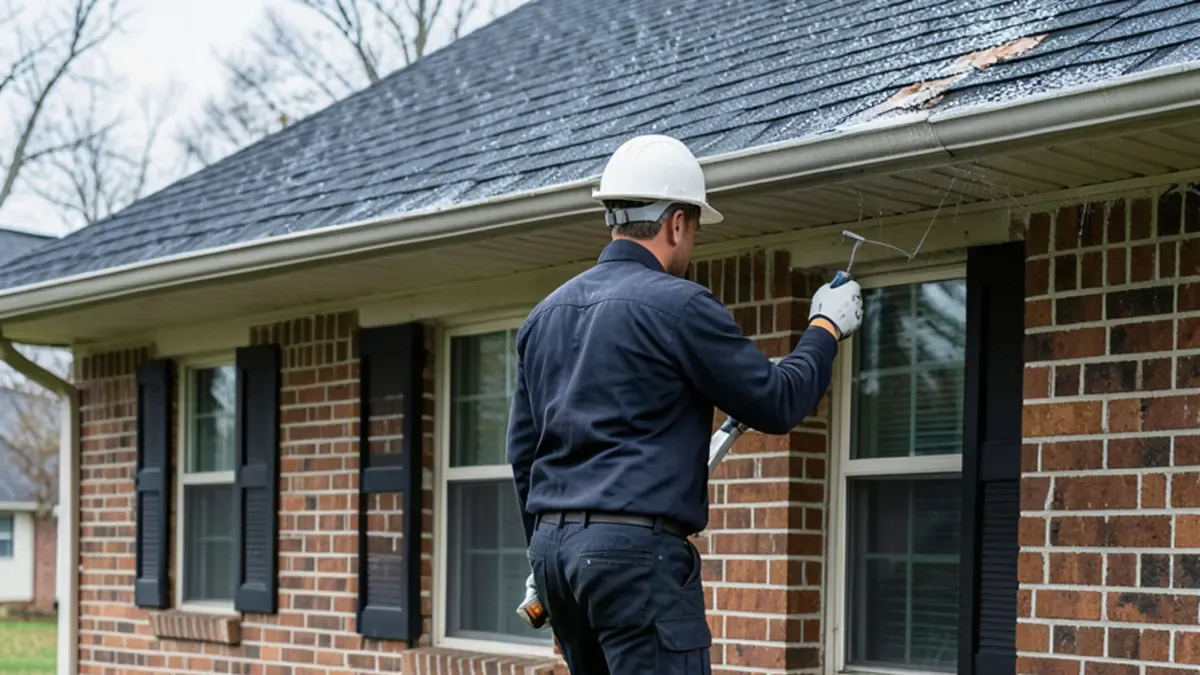
The most common mistake we see is treating granule loss as one problem. On many roofs around Irving, it is two: some background wear from age, plus fresh spots from a recent storm. An adjuster will separate them, so it helps when your own inspection report already does. We mark hail hits with chalk, photograph them next to undamaged areas, and note which slopes show wear rather than impact. If the evidence points to age instead of hail, our report says so, along with an honest estimate of how much life the roof has left.
Get the Cause Before You Decide
Granules in the gutters are a prompt to look closer, not a verdict. A free hail damage roof inspection tells you whether you are dealing with storm damage, normal aging or a product problem, and our hail damage roof repair work follows from what the photos show. Our Irving, TX roofing contractor team explains the findings in English or Spanish. Call (725) 745-8803 to schedule a visit.
Questions readers ask
Is it normal to find granules in the gutters on a new roof?
Will insurance pay for granule loss?
How do I know if my shingles are bald?
Can pressure washing or roof cleaning cause granule loss?
Sources

Written by the RJ Premium Roofing team, a bilingual roofing contractor based in Irving, TX. We inspect, repair and replace roofs across Dallas–Fort Worth and document storm damage for homeowners’ insurance claims.